When Is the Best Time to Ski in Hokkaido? Three Seasons of Coach Observations, Mapped to Date Ranges
In past seasons, 12/20 to mid-March has been good throughout. Three seasons of coach observation, mapped to date ranges: snowpack, powder frequency and crowds.
Snow starts settling enough to ski around early December, and resorts close from early May. Even when snow remains you cannot ski it, because what decides it is the resort's operating season. From FUYU's seasons on the mountain, 12/20 to mid-March has been good throughout.
Last updated: 22 October 2026 | 26-27 season
The short answer
From three seasons of coaching on the mountain:
When the skiing is reliable12/20 to mid-March has been good in past seasons
When the resorts openTeine 11/21, Niseko and Rusutsu 11/28, all as announced by the resorts
First snow is not skiable snowKutchan averages first snow on 10/20 and lying snow from 11/6, but the resorts wait until late November
March and April still have snow3/11 to 4/15 turns wetter and heavier; after 4/16 little new snow falls
Best snow is not best for youCrowds, budget and your level shift the right window earlier or later
Meteorological first snow is much earlier: Kutchan, the town Niseko sits in, averages its first snowfall on 20 October and its first lying snow on 6 November; Sapporo averages 28 October and around 12 November (Japan Meteorological Agency, 1991–2020 normals). Snow falling is not the same as snow deep enough to ski, which is why resorts do not open until late November.
Resorts open from late November. Teine on 21 November; Niseko and Rusutsu on 28 November (planned for the 26-27 season); Kiroro has not announced its 26-27 opening date.
There is still skiable snow in both March and April. From 11 March to 15 April conditions turn unstable and the snow gets wetter and heavier. After 16 April there is almost no new snowfall, but the snowpack is still there. Niseko runs through 5 May (planned) and Rusutsu finishes on 31 March; Teine runs to 5 May (planned), and Kiroro has not announced its 26-27 closing date. In Kutchan itself, snow lies on the ground until 18 April on average.
If you only want one answer: in past seasons, 12/20 to mid-March has been good throughout.
But "good snow" and "best for you" are not the same thing. Crowds, budget and your own level all shift which stretch suits you.
This article comes from what FUYU coaches have observed at Niseko, Rusutsu and Kiroro across three consecutive seasons since 2023. We teach on the mountain every day, and what we watch is not the forecast. It is the state of the runs themselves. The date ranges, crowd patterns and snow descriptions below all come from those three years.
| Month | Snowpack & powder | Who it suits | Crowds |
|---|---|---|---|
| November | Snowpack & powderBase still building, limited terrain | Who it suitsKeen to start early, fine with a small area | CrowdsQuiet |
| December | Snowpack & powderDeep enough to ski from 4 Dec with frequent powder; deepest of the season from 20 Dec | Who it suits6–19 Dec is the sweet spot for snow and crowds | CrowdsQuiet 6–19 Dec, busy from 20 Dec, peak at Christmas |
| January | Snowpack & powderDeepest snowpack of the season, powder at its most frequent | Who it suitsChasing powder | CrowdsBusy, peak over Lunar New Year |
| February | Snowpack & powderSnowpack still deep; strong wind possible late in the month | Who it suitsAs good for powder as January | CrowdsBusy |
| March | Snowpack & powderDeep enough to mid-March, then turns wet and heavy | Who it suitsUnderrated: decent snow, cheaper flights and beds | CrowdsQuiet 2–20 Mar, almost empty from 21 Mar |
| April | Snowpack & powderLittle new snow after 16 Apr but cover remains | Who it suitsSpring skiing, not chasing fresh snow | CrowdsAlmost empty |
Opening and closing dates for the 26-27 season: Teine opens 21 November (FUYU lessons at Teine start 28 November), and Niseko and Rusutsu open 28 November, all of them the resorts' own planned dates. Kiroro has not announced its 26-27 opening date. For closing, Niseko is 5 May (official, tentative) and Rusutsu is 31 March (its official spring season runs to 31 March), and Teine is 5 May (official, planned). Kiroro has not published its 26-27 closing date, so check each resort's official announcement.
1. Three Seasons of Observation: Think in Date Ranges, Not Months
Most guides use months as the unit, but conditions do not change on the first of the month. We split the season into five stretches and look at the snowpack, the powder and the crowds in each:
| Period | Snowpack | Powder | Crowds |
|---|---|---|---|
| Opening to 12/4 | SnowpackStill building, limited terrain | PowderOccasional | CrowdsQuiet |
| 12/4 to 12/19 | SnowpackDeep enough to ski | PowderFrequent | CrowdsQuiet |
| 12/20 to mid-March | SnowpackDeepest of the season | PowderMost frequent | CrowdsBusy; peaks at Christmas and Lunar New Year |
| Mid-March to 4/15 | SnowpackStarts thinning, snow turns wet and heavy | PowderOccasional | CrowdsAlmost empty |
| 4/16 to closing | SnowpackAlmost no new snow, cover remains | PowderSpring snow | CrowdsAlmost empty |
For the 26-27 season Niseko opens on 28 November and closes on 5 May, the resort's own planned dates. Opening and closing dates differ every year, so always check each resort's own announcement for the current season.
What each stretch actually looks like
Opening to 12/4: the base is still building
A resort opens once there is enough snow on the runs for everyone to ski and not too many bare patches. So it is skiable, but the terrain on offer is limited.
On the ground: runs occasionally feel slushy. Tree areas may stay closed for lack of snow.
12/4 to 12/19: deep enough to ski, powder is frequent
Mornings can run warm, but the day-night swing is large and the snow holds overnight. It snows heavily, just not for days on end.
On the ground: groomed runs, with off-piste to be found in the trees or through the gates.
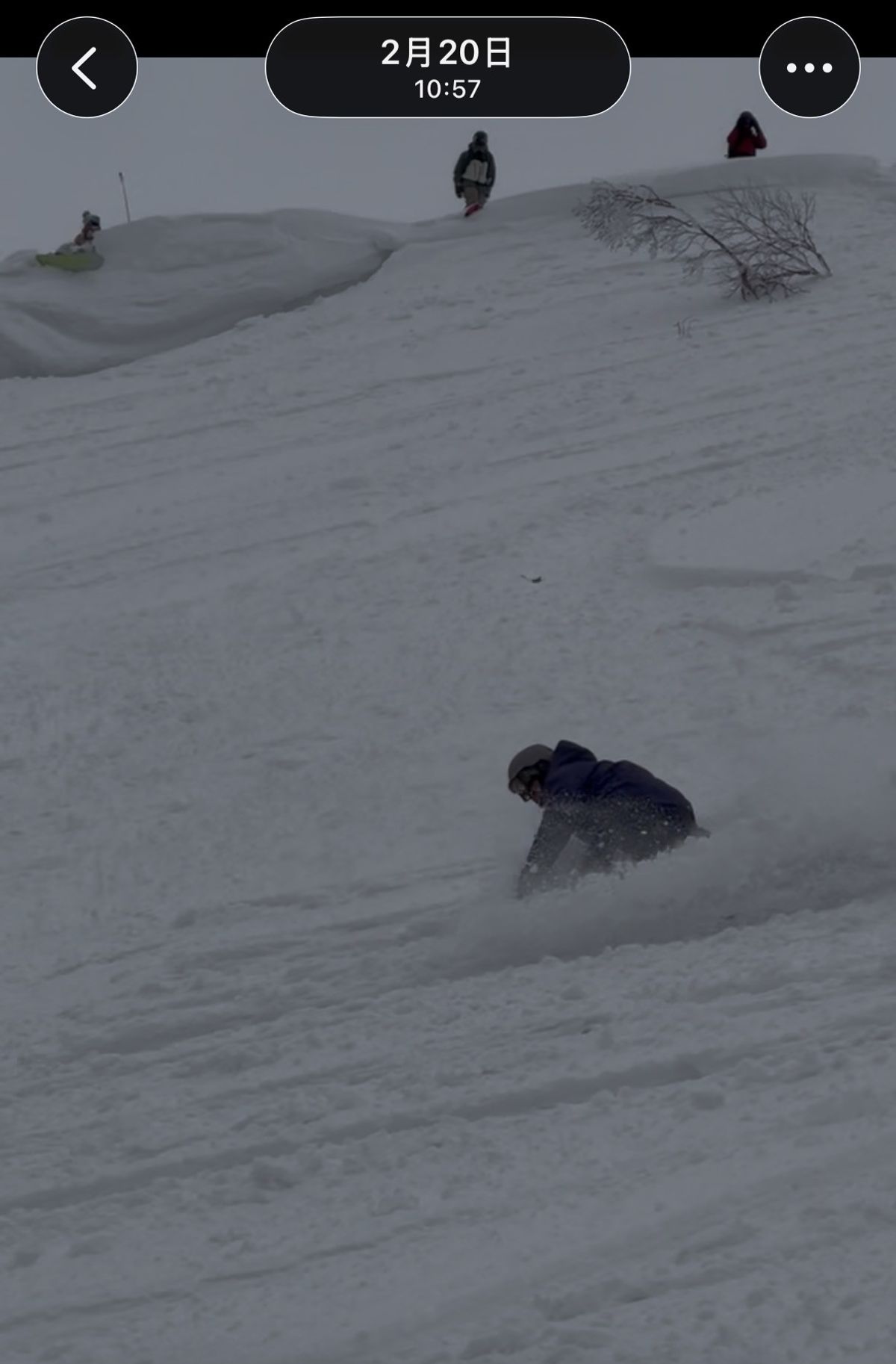
12/20 to mid-March: deepest snowpack of the season, powder at its most frequent
It is cold enough that even on a day with no new snow, what is already there lasts. And it usually snows several days in a row. Late February can bring strong wind, which thins the snow on exposed faces.
On the ground: powder almost everywhere on the mountain.
Mid-March to 4/15: the snowpack starts thinning
Snow still holds, but it does not fall for long and it turns wet and heavy. Accommodation and flights in this stretch usually cost a lot less than peak season.
On the ground: runs occasionally feel slushy.
4/16 to closing: spring snow
Almost no new snow falls; resorts keep the surface going with anti-melt treatment, but the cover is still there.
On the ground: runs more often turn slushy or hold water. This kind of snow makes speed easier for beginners to control.
Related: When Does It Snow in Hokkaido? First Snow in October, Skiing From About December
2. Crowds: A Separate Curve From Snow Quality
Many people assume the mountain is busiest when the snow is best. In reality crowds follow their own rhythm, and their effect on your experience is no smaller than the snow's.
Very busy
Christmas, Lunar New Year, and Blue Bird days.
Blue Bird deserves its own note. A clear day is not a scheduled holiday. It happens without warning. The moment a big blue-sky day arrives, the mountain fills up, because everyone goes out that day. This is a variable guides usually leave out.
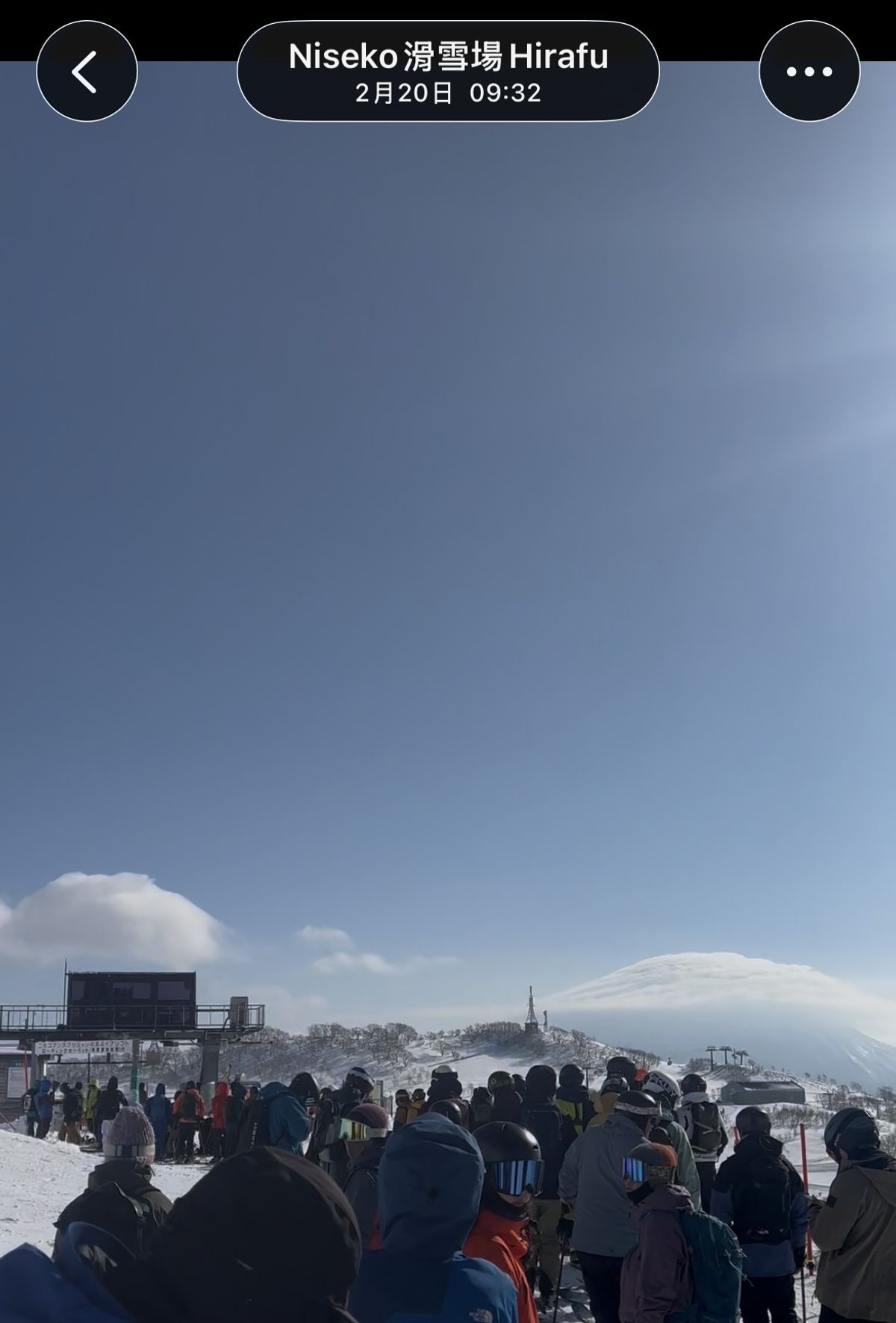
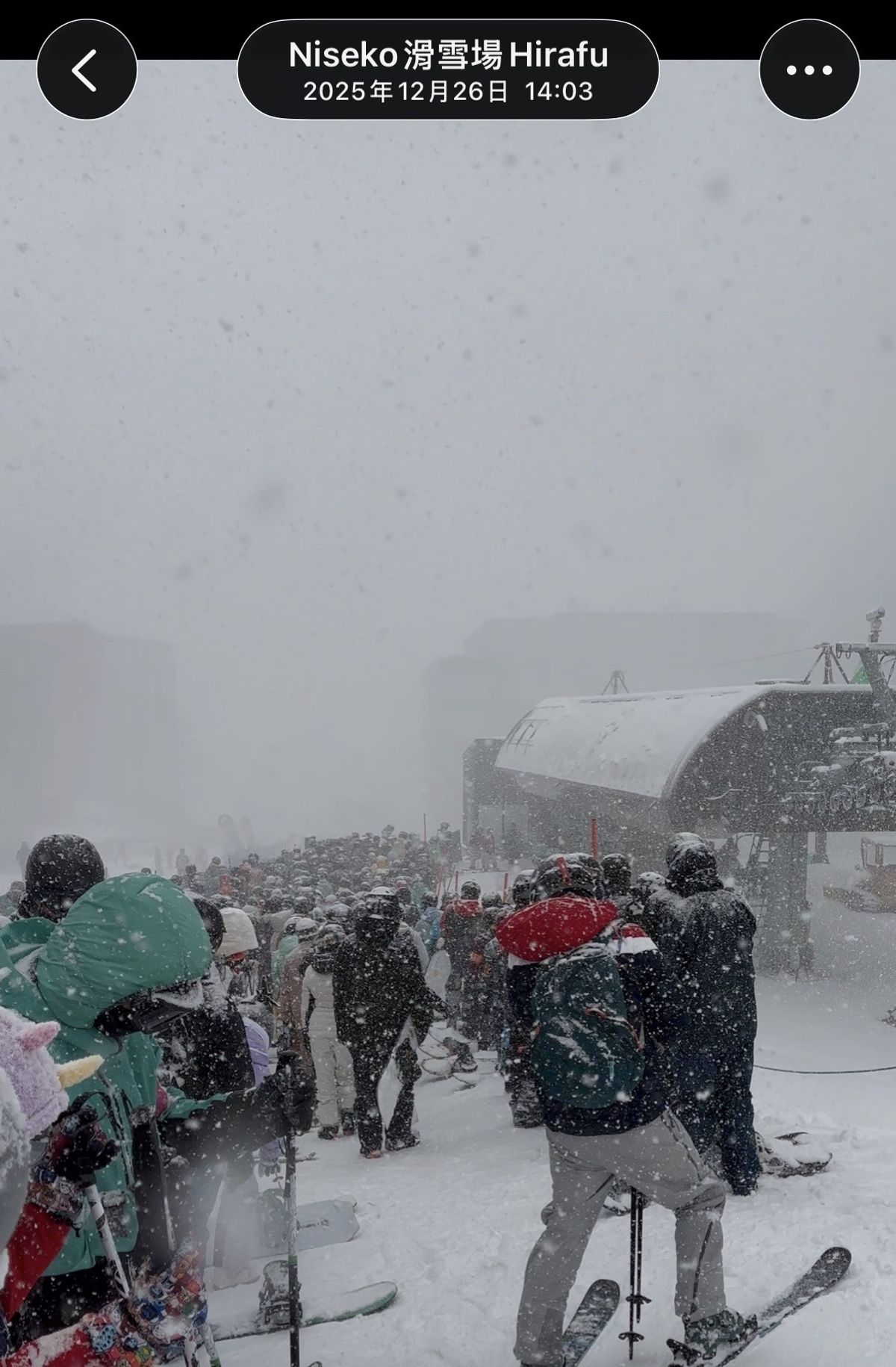
Busy
12/20 to 3/1, minus the special holidays above.
Quiet
12/6 to 12/19, and 3/2 to 3/20.
Almost empty
3/21 to the end of the season.
Overlay the Two Tables
Put them on top of each other and two sweet spots appear:
12/6 to 12/19: deep enough to ski with frequent powder, crowds "quiet".
3/2 to 3/10: snowpack still deep enough, crowds "quiet".
These two windows are where snow and crowds intersect best, and not many people choose them. If your dates are flexible, the quality of the experience in these stretches is often better than peak season.
3. Weather: Four Conditions to Factor Into Your Plans
- Very heavy snow: December to February
- Strong wind: Mid-December, late February
- Strong sun: Mid-January (possible), mid-March to end of season
- Large temperature swings: Late December to late March
Wind is the least-noticed factor and the one with the most direct effect.
When it blows hard one day, the next day's snow may well have been carried away. Overall there is still powder, but in some areas, the windward side especially, the snow gets blown drier and thinner. So on the same day, on the same mountain, conditions can differ a great deal between zones.
That also means "is the snow good today" cannot be answered by snowfall totals alone; you also have to ask where the wind put the snow. We wrote a separate piece on that, on how coaches actually make the call.
4. Underrated and Misunderstood Windows
March Is Badly Underrated
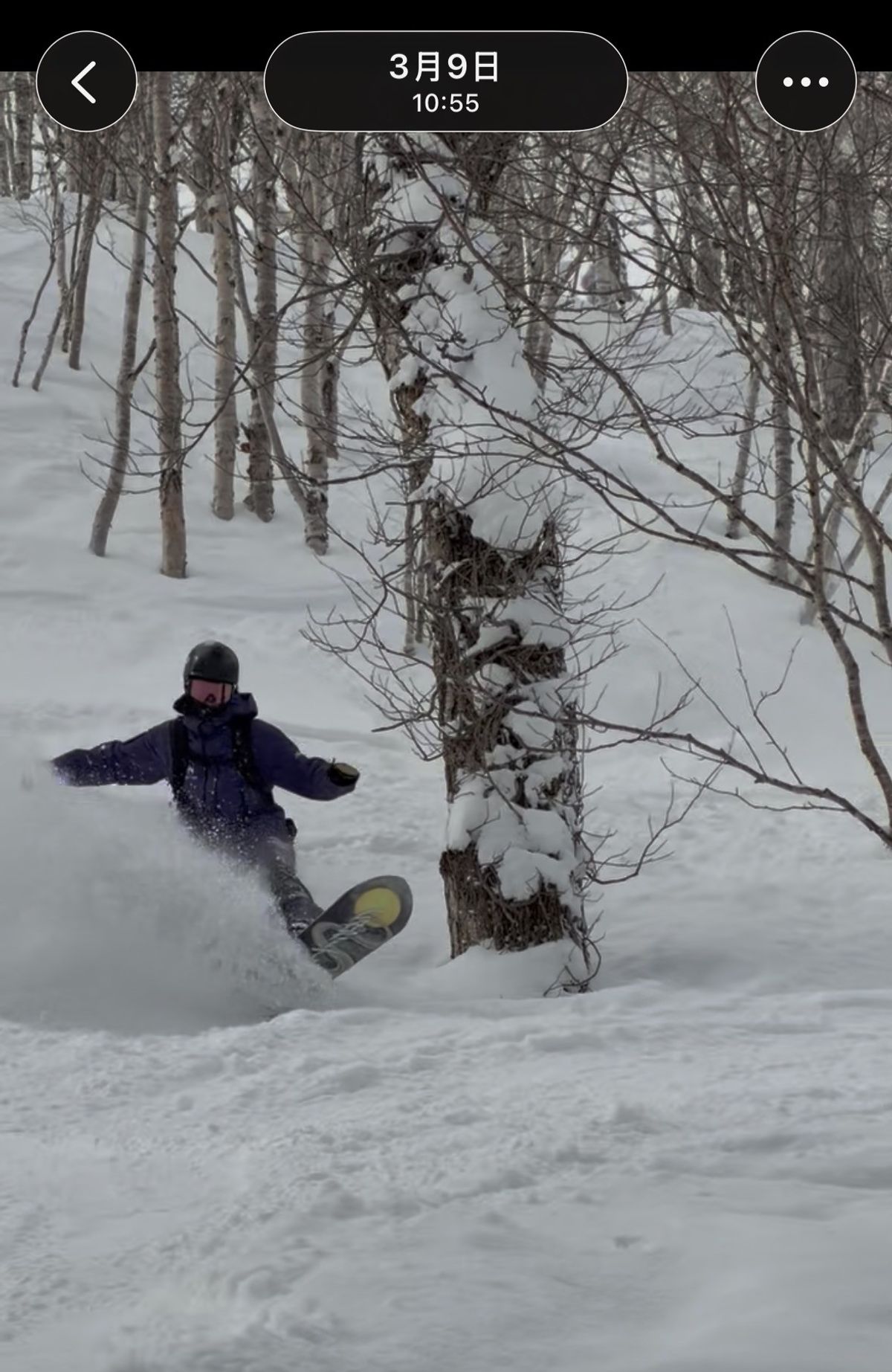
March is very good, and a lot of people do not know it. It still snows heavily at times, and it is still cold enough that the snow holds.
On top of that, accommodation and flights are usually a fair bit cheaper than peak season.
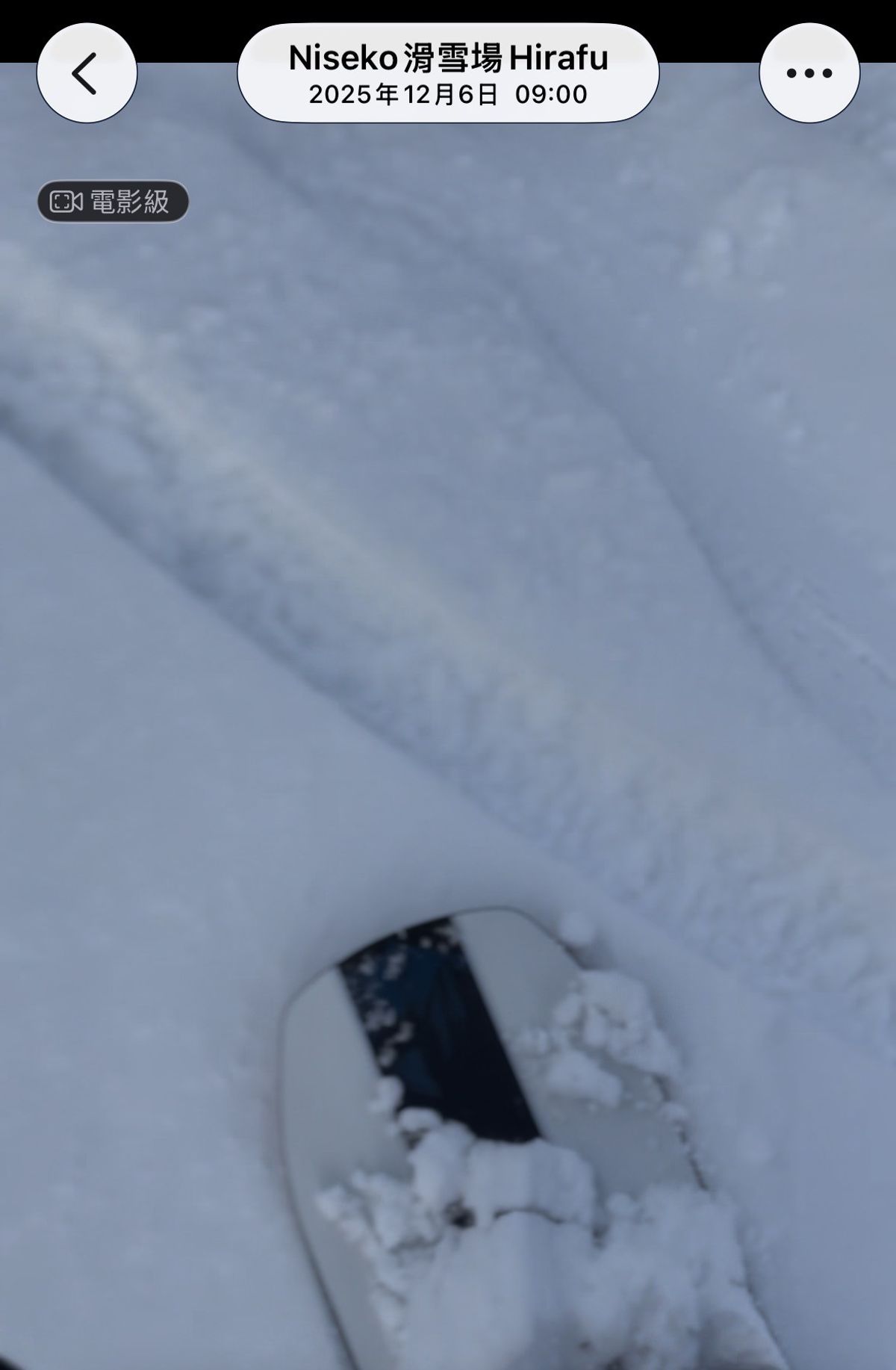
We have had five consecutive powder days in mid-March while paying low-season lodging rates. That combination is essentially impossible in January or February.
Can You Actually Ski in Early December
Opinions online are split. The reality: you can ski, but you may not come away satisfied.
Opening dates are inherently unstable. A resort's test for opening is that there is enough snow on the runs for people to ski and not too many bare patches. Once that is met it opens, so yes, it is skiable.
But at that point the snowpack is still building, and the terrain open to you is limited.
That said, this is also the low season, and prices are better. If your dates are flexible anyway, it can be worth a shot.
Is There Still Snow in Late March and April
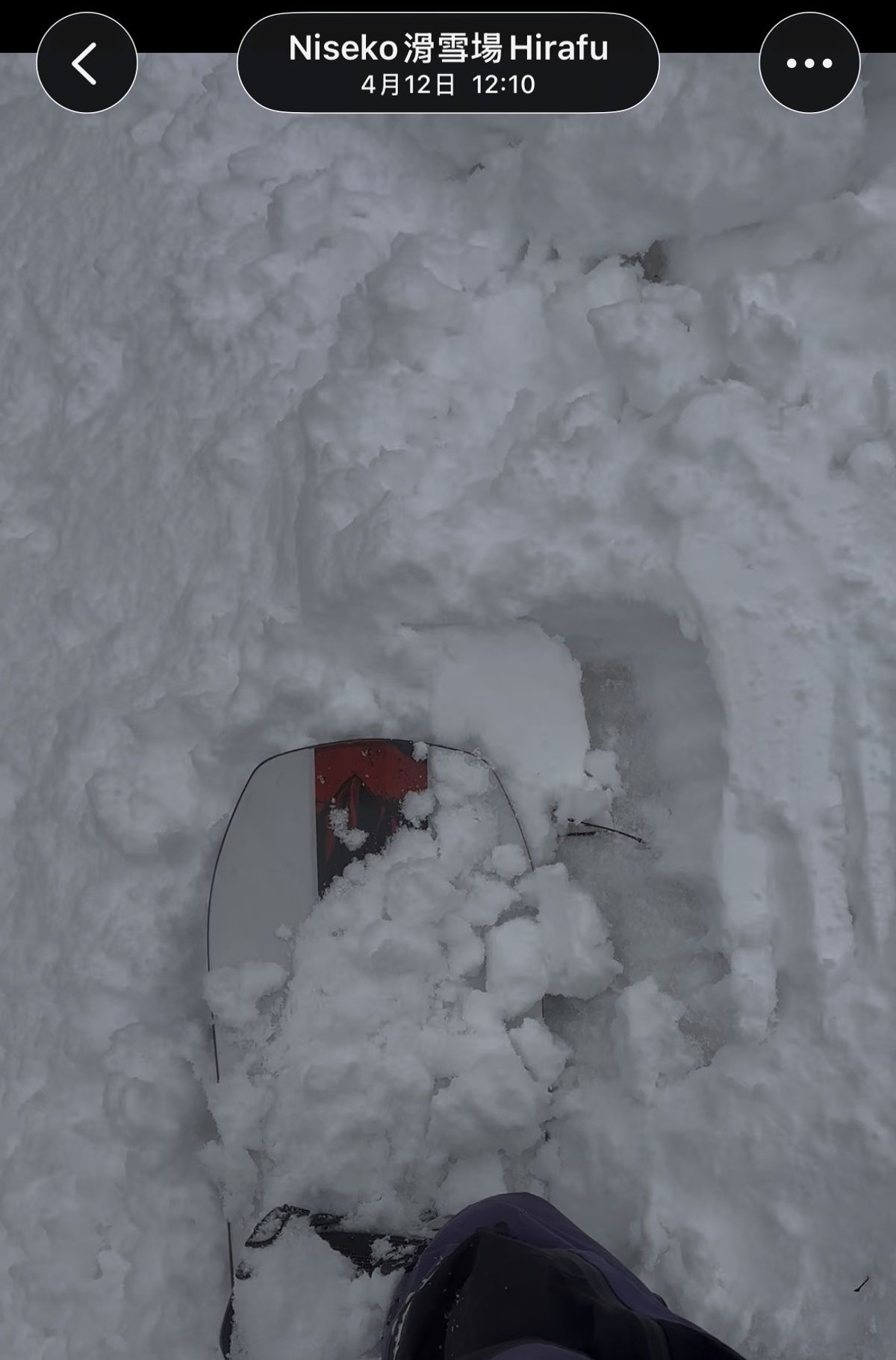
Yes, and it suits people well.
The snow then is the slushy type, which has different benefits depending on your level:
- Beginners: easier to stop, no sudden runaway speed
- If you can link turns: natural terrain opens up, with plenty of rollers and undulations to play on
- If you want park time: the park is in great shape by then, ideal for practising the basics
The one that stayed with us: April 1, when we had a Park shoot scheduled and instead got such a huge dump that we switched to filming terrain and powder. Powder in April is exactly why we do not treat "no snow in April" as settled.
5. Powder: If That Is Your Only Goal
Come between 12/20 and 3/1.
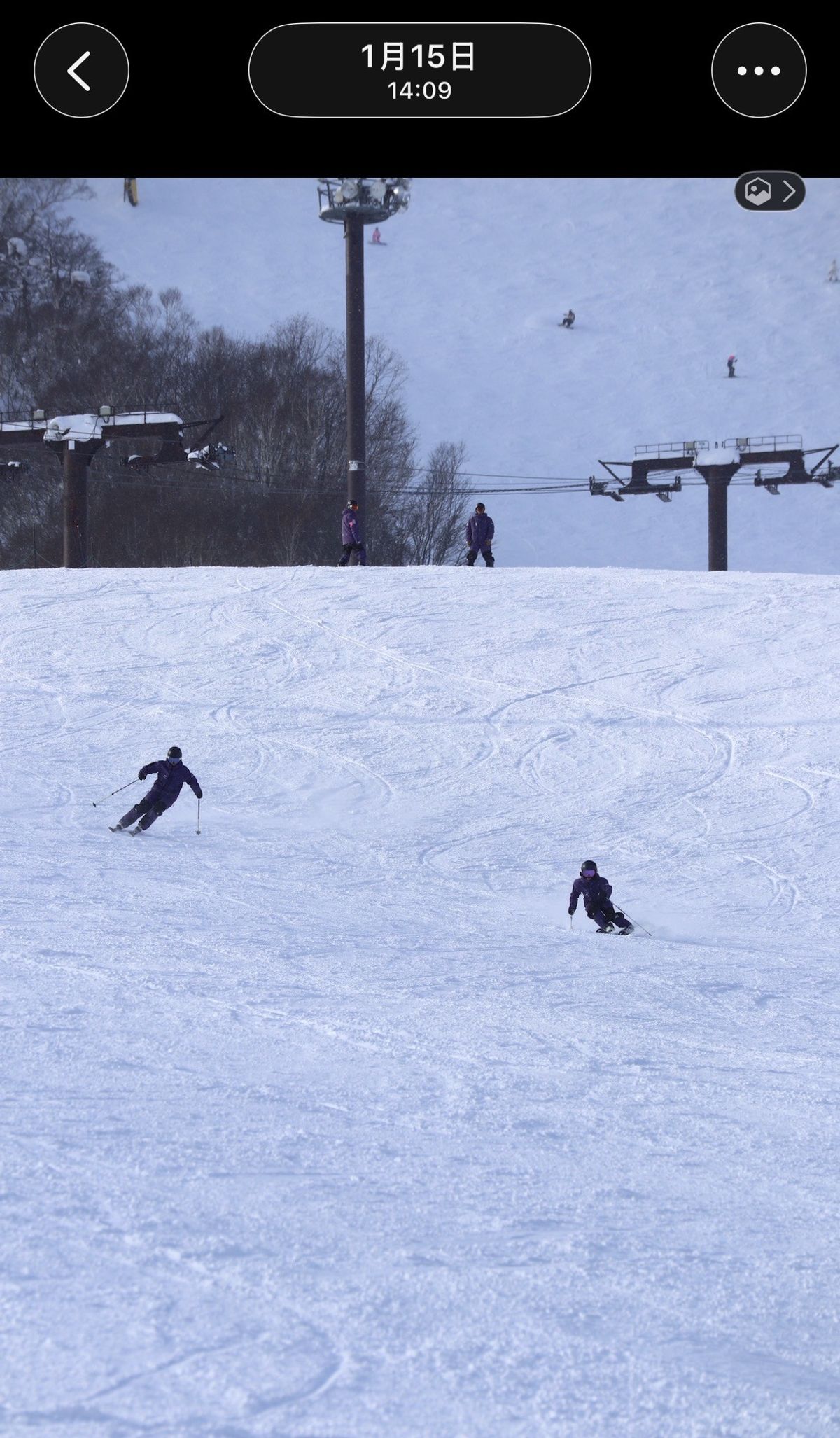
If you would rather avoid crowds, skip Christmas, New Year and Lunar New Year. 1/6 to 1/30 is the window we recommend most: the deepest snowpack of the season, while avoiding every major holiday.
How to actually plan those three weeks is written up separately in mid-January in Hokkaido.
6. Which Month Should a Beginner Come? Not the Same Answer as "Best Snow"
This is the question we get most often and that guides almost never answer.
December through early April all suit beginners.
What a beginner needs to look at is not how pretty the snow is, but whether the snow on a given run gives you enough grip to help you control and stabilise yourself.
If it does not hold, speed builds fast, and fast gets frightening quickly.
Controlling speed comes from your own movement, but the snow itself helps too. Snow piles up in front of the board and creates a natural braking effect.
So More Snow Actually Suits Beginners Better
This runs against most people's intuition.
When the snow is deep, speed stays down, the feedback through the board is obvious, and stopping and changing direction are both easier. Plenty of beginners who practise in this window progress faster, because they are not afraid.
Fear is the biggest obstacle at the beginner stage, bigger than any technical problem. Snow conditions themselves can reduce that fear, and learning speed changes as a result.
Is There a Month We Would Tell a Beginner to Avoid
On snow alone, every month suits a beginner.
What you actually want to avoid is crowds, not months.
During special holidays, or on weekends (very noticeable at a city-adjacent resort like Teine), a busy mountain makes people tense. Your coach will keep you safe, but you will still feel the pressure, and that is worth factoring in.
If it is your first time, we would suggest steering clear of those days.
Once You Have Picked Your Dates
Choosing a month is only the first step. A few more decisions follow:
- Conditions vary a lot within a single day: how coaches read them → How to tell if the snow is good today
- Choosing between Niseko, Rusutsu, Kiroro and Teine → Resort comparison
- How many lessons a beginner actually needs → Lesson hours explained
- Bringing children, and what age they can start → Children's skiing guide
- Straight to courses and pricing → FUYU SKI courses
These observations come from the FUYU SKI coaching team's on-the-ground records at Niseko, Rusutsu and Kiroro across three consecutive seasons since 2023. Every year's weather differs, so for current conditions, always go by what you find on the day.