Niseko vs. Rusutsu vs. Kiroro: How to Choose Between Hokkaido's Three Big Ski Resorts
If you've searched for Hokkaido ski resorts, these three names keep coming up. Here we take a deep dive into each resort's trail layout, unique features, equipment rental, and dining convenience. As local Hokkaido ski coaches, we break down the real differences to help you find the resort that best fits your trip.
FUYU coaches' short answer: for a first trip, or if you want the most complete village and Chinese-language support, choose Niseko. Rusutsu and Kiroro suit very similar people: both work for families, for drilling basics and for powder, with similar crowds. The real difference is size and location: Rusutsu is slightly larger, and Kiroro is closer to Otaru.
Last updated: 22 October 2026 | 26-27 season
Almost everyone planning their first Hokkaido ski trip runs into the same question: Niseko, Rusutsu, and Kiroro all show up in search results, but what's actually different about them, and how do you choose?
This article isn't a ranking. The three resorts genuinely suit different kinds of trips. We break down each one across trail layout, unique features, equipment rental, dining options, and how to get there.
| Category | Niseko (Niseko United) | Rusutsu | Kiroro |
|---|---|---|---|
| Trail Scale | Niseko (Niseko United)Four connected areas, the largest of the three | RusutsuThree mountains (West Mt / East Mt / Mt Isola) | KiroroTwo mountains (Asari / Nagamine) |
| Difficulty Mix | Niseko (Niseko United)Full range from beginner to advanced, most variety | RusutsuMostly beginner to intermediate, with some steep terrain too | KiroroClearly zoned green/red/black, with a higher share of intermediate-and-up terrain |
| Unique Feature | Niseko (Niseko United)11 gates leading to unpatrolled backcountry powder | RusutsuExtensive open tree runs, legal to ski without needing a gate | KiroroTree-skiing experience |
| Best Suited For | Niseko (Niseko United)All levels, especially advanced skiers wanting to explore the backcountry | RusutsuBeginner to advanced skiers who enjoy tree runs | KiroroIntermediate and up, for those wanting to try tree skiing |
| Equipment Rental | Niseko (Niseko United)Most options, with a dense cluster of rental shops in Hirafu village | RusutsuMainly within the resort: fewer options but convenient | KiroroIn-resort rental, moderate selection |
| Dining Options | Niseko (Niseko United)The richest variety: izakayas, ramen, international cuisine, all available | RusutsuMainly in-hotel dining, relatively limited | KiroroMostly in-hotel dining, relatively limited |
| Getting There | Niseko (Niseko United)The most shuttle departures from New Chitose Airport | RusutsuRequires a resort shuttle or private transfer; a relatively simple route | KiroroMostly via Otaru, with similar travel time |
The 30-second version: which one should I pick?
With children, or family who don't skiRusutsu: one self-contained resort, and good with kids
First time skiing, want the most informationNiseko: by far the most Chinese-language resources
Want to try tree runs, still building experienceRusutsu or Kiroro: legally open tree runs
Want to ride more than one resortThe three are 1–2 hours apart by car, so sort the transport first
FUYU coaches are based at all three. If you are unsure, just tell us your itinerary.
Before you keep reading, a quick reminder: never ski into trees, gates, or ungroomed terrain alone.
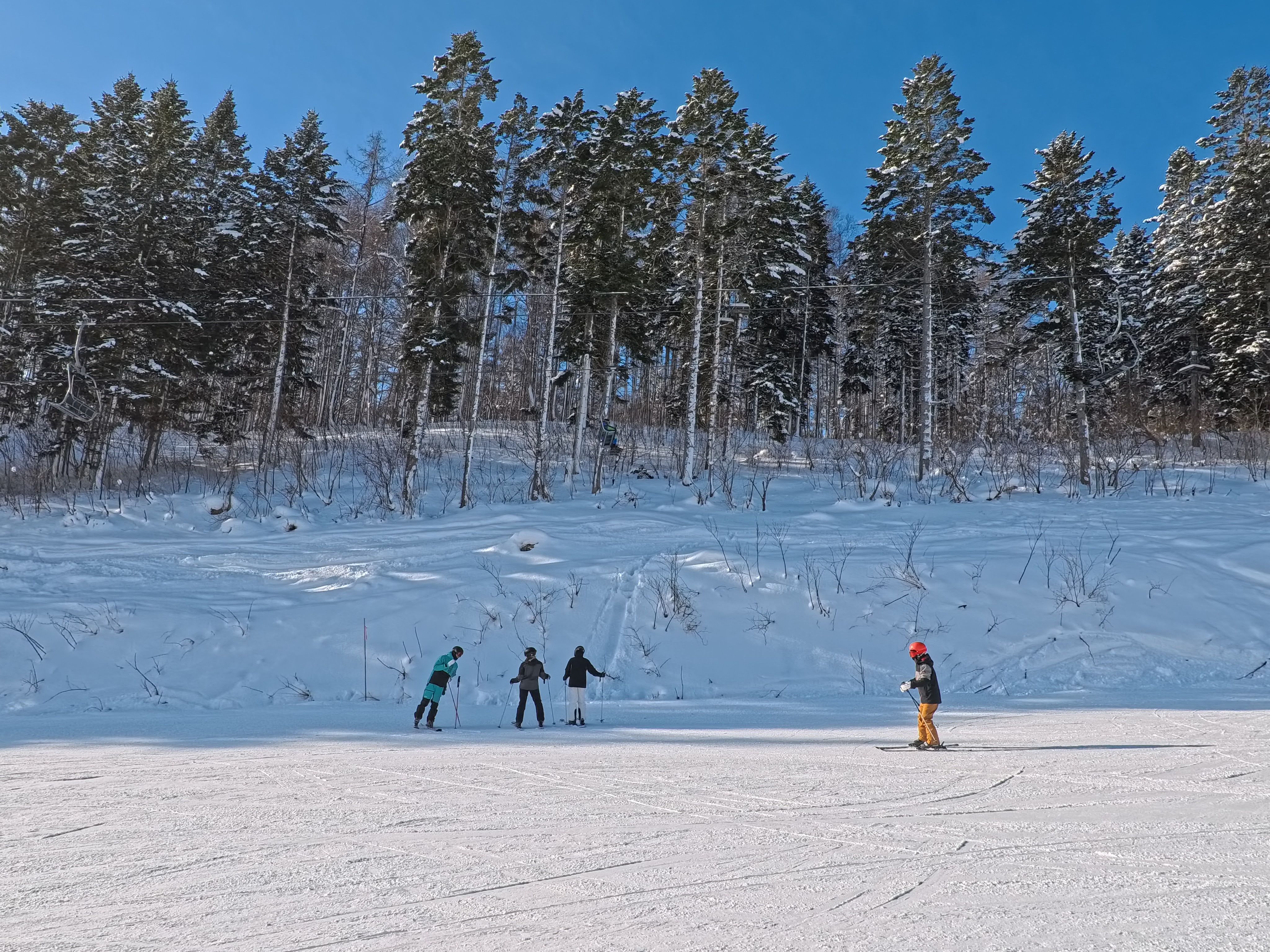
Niseko (Niseko United)
Made up of four connected areas (Grand Hirafu, Hanazono, Niseko Village, and Annupuri), Niseko is the largest resort with the most trail variety, from beginner runs to advanced steeps, suited to all levels.
Signature feature: the Gate system. One of Niseko's most famous features is the 11 gates (G1 through G11, two of which are at Moiwa) set along the resort boundary. Whether they're open depends on that day's snow conditions and avalanche risk, and passing through a gate takes you into unpatrolled backcountry powder terrain. This is built for experienced skiers looking for more advanced terrain. Beginners shouldn't attempt it without a guide or a coach familiar with the area.
Equipment rental: Rental shops are densely packed within Hirafu village, offering the most choice, from entry-level to high-end gear.
Dining: Options are far richer, with izakayas, ramen shops, yakiniku, and international cuisine all available. Niseko also has the most nightlife beyond skiing.
Getting there: Niseko has the most shuttle departures to and from New Chitose Airport, with a full range of transportation options (bus, JR train, private transfer, self-drive). For a detailed comparison, check out our other article, The Complete Guide to Getting Around Niseko.
Related: Niseko Hirafu Ski Guide: Trail Highlights, Night Skiing, and Coach-Tested Routes, All in One Place
Rusutsu Resort
Made up of three mountains (West Mt, East Mt, and Mt Isola), Rusutsu is a single, all-in-one resort where the hotel, ski area, and restaurants all sit within the same complex.
Signature feature: extensive, legally open tree runs. Rusutsu doesn't have a gate system. Most of the tree areas within the resort boundary are legal to ski, and some are even patrolled, including the tree runs on Mt Isola and the steep terrain on East Mt. That means you can legally experience tree skiing without passing through any checkpoint, which makes it a relatively reassuring option for anyone who wants to try powder skiing but isn't quite ready for fully unpatrolled terrain.
Equipment rental: Rentals are mainly through the in-resort rental center. The selection isn't as large as Hirafu's, but since the hotel, rental shop, and ski area are all in the same complex, it's extremely convenient and requires no extra travel.
Dining: Dining is mainly within the hotel, with relatively limited options. There's no dense external dining district like in Niseko.
Getting there: From the airport, you can book a resort shuttle or private transfer. The route is relatively straightforward, but departures are less frequent, so confirm the schedule in advance.
Kiroro Resort
Made up of two mountains, Asari and Nagamine, Kiroro is smaller than the other two resorts with relatively fewer crowds. The hotel sits right beside the slopes, so there's very little distance to travel.
Signature feature: tree skiing. Kiroro also has a good amount of tree terrain for powder skiing, a smaller area than Rusutsu's, but the snow quality gets excellent reviews, making it a good fit for skiers who want to try tree skiing while still building up experience.
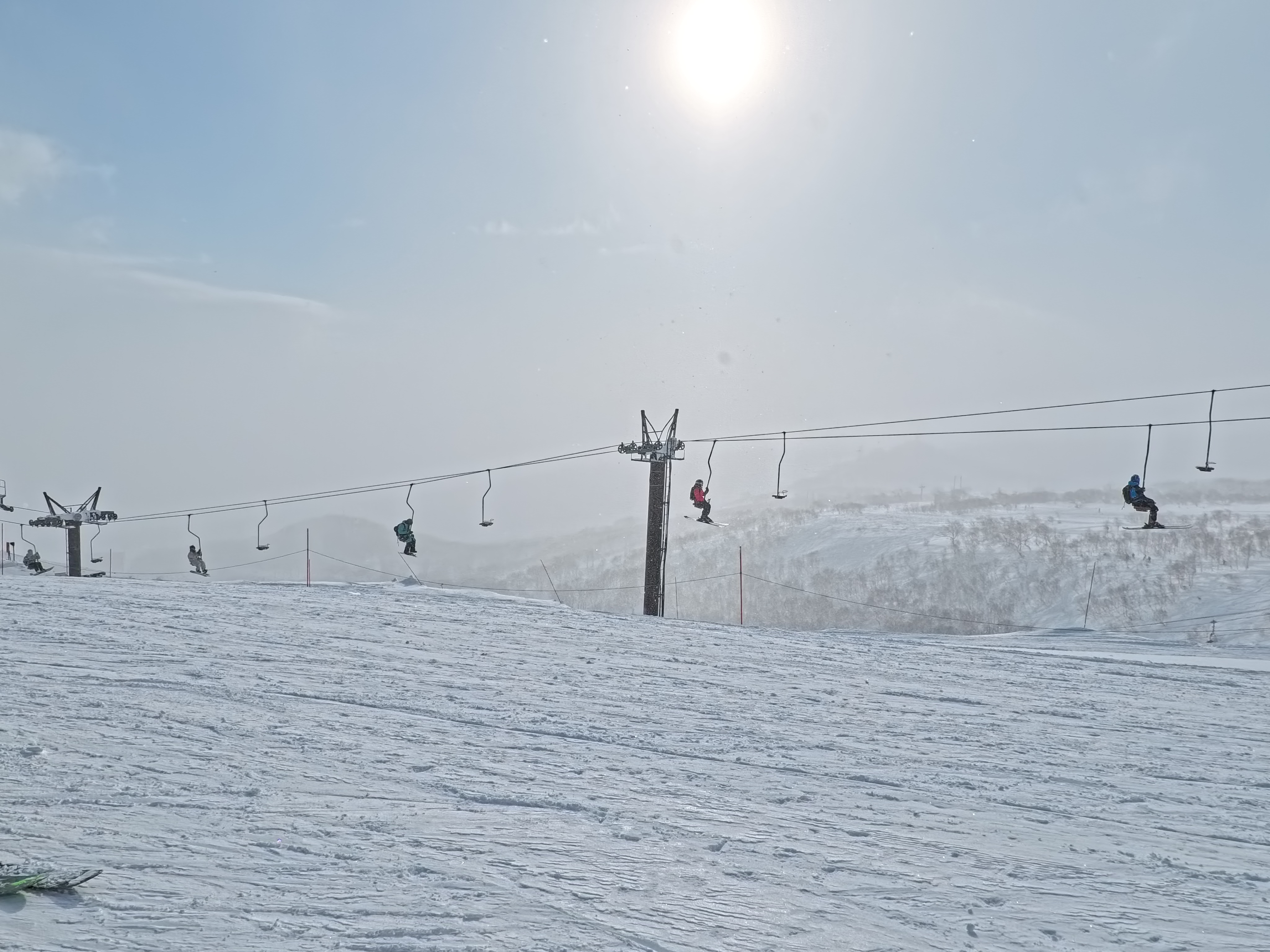
Equipment rental: There's an in-resort rental center with a moderate selection, and very convenient.
Dining: Dining is mainly within the hotel, with relatively limited options.
Getting there: Most routes go via Otaru, with a travel time similar to Rusutsu's, though you'll want to confirm the route and schedule in advance.
Choosing Between the Three: Based on Who's Traveling With You
Traveling with kids or non-skiing family members: Rusutsu's all-in-one resort layout and on-site entertainment give non-skiers plenty to do too.
First time skiing, want plenty of choice and a familiar environment: Niseko has the most complete Chinese-language information, services, and rental options of the three, so it's easier to get help if you run into a problem.
Already have some experience and want to try tree/powder skiing: both Rusutsu and Kiroro have plenty of tree terrain suitable for a first try, while Niseko's gate terrain demands more experience. Only attempt it once your skill level is sufficient and you have a guide or coach with you.
Want to visit multiple resorts on one trip: the three resorts are all a fair distance apart (roughly a 1–2 hour drive between each), so if you want to experience more than one on a single trip, plan your transportation in advance.
FUYU Has Coaches at All Three Resorts
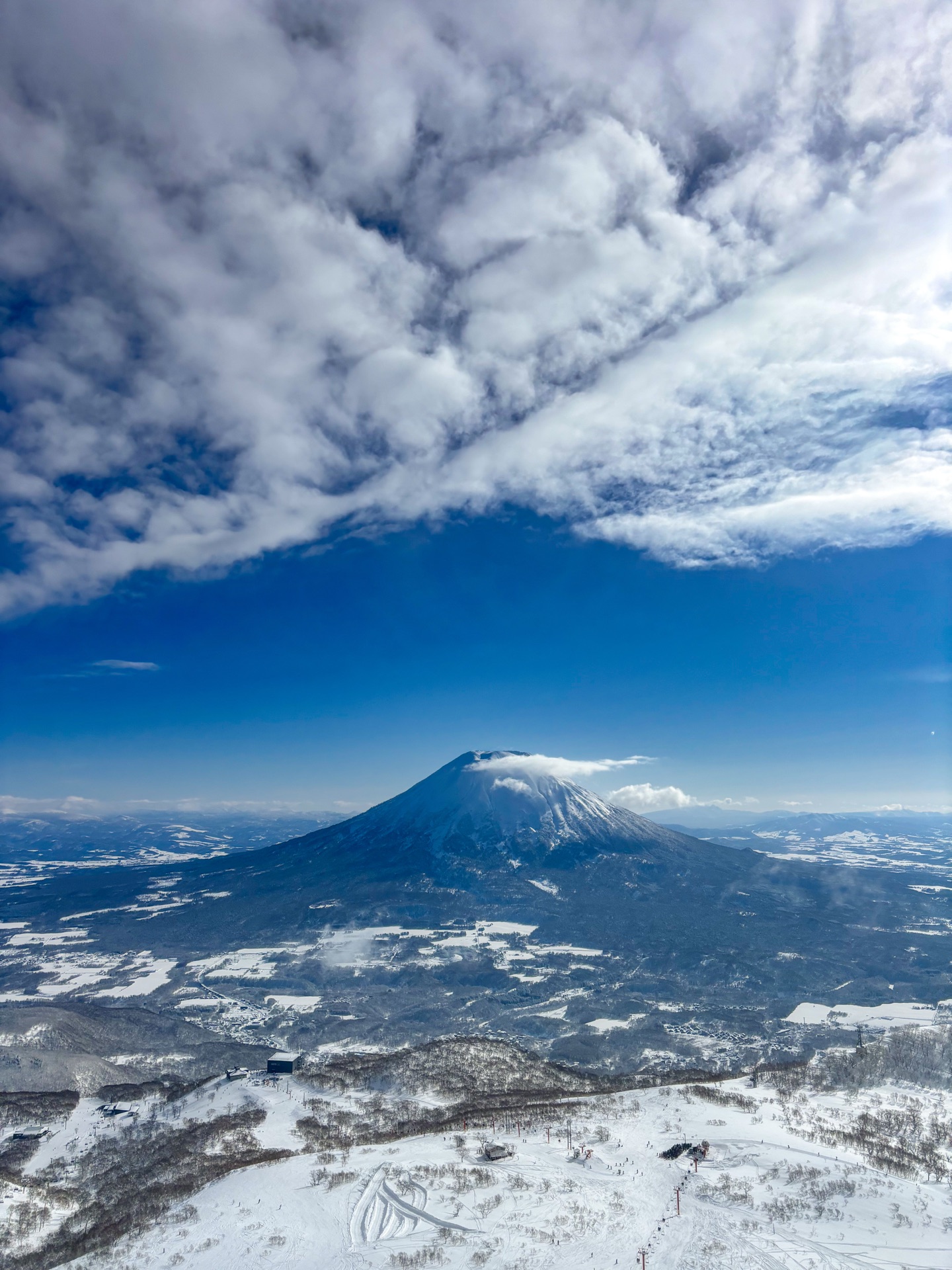
Whichever resort you end up choosing, FUYU's Chinese-speaking coaching team is based in Niseko, Rusutsu, and Kiroro, and knows each resort's terrain and backcountry rules well. Whether you're after basic practice or route guiding, you can find the right option on our course page.
Final Thoughts
No resort is objectively better, only better suited to your particular trip and skill level. Work out how many people are traveling with you, your skill level, and whether you want to try backcountry skiing first, and then choose your resort. That'll go more smoothly than picking a resort first and planning around it.
If you're not sure how to choose, feel free to just tell us your group size and what you're looking for. We can help you figure out which resort is the best fit.
Once you have picked a resort, when you go shapes the trip too. Snowpack and powder frequency by date range, and when the mountain is quietest, are covered separately in the best month to ski in Hokkaido.