Where a Ski Trip's Money Goes: Flights, Lodging and Lessons in Low Season
Flights, accommodation and lessons are the three biggest costs of a ski trip. Here's what actually happens to each one in low season, in real numbers, from a coach based at the resort.
A ski trip's three biggest costs are flights, accommodation and lessons, and one decision moves all three: when you go. In the low season, early December and after mid-March, all three come down; FUYU lesson prices follow the 26-27 season price list.
Last updated: 22 October 2026 | 26-27 season
The 30-Second Version: How Much Can Low Season Save You?
LessonsA Niseko full-day lesson: ¥17,000 cheaper in low season, ¥23,000 cheaper in spring; Kiroro: ¥30,000 cheaper in spring → private lessons have peak/low season pricing too. It's not one flat price year-round
TransportBuses keep running in low season, but operating windows differ by company → check your company's window covers your travel date before booking
AccommodationPrices drop and room choice widens, but booking early doesn't always mean cheaper → pick your area first, then compare prices closer to your stay
Full peak/low season dates, pricing tables for all three resorts, and the honest trade-offs are further down.
Hey there. This post covers the question everyone thinks about before a trip: how much does a ski trip actually cost, and is there any way to save?
There's no shortage of savings articles online: book flights early, compare accommodation prices, look for group discounts. Today we're giving you a different angle: the view from a coach actually based at the resort.
There's actually one single decision that affects your three biggest expenses at once: when you go.
This post skips the small savings tricks and focuses on just one variable, low season, and how it affects flights, accommodation and lessons, so you can see the whole picture at once.
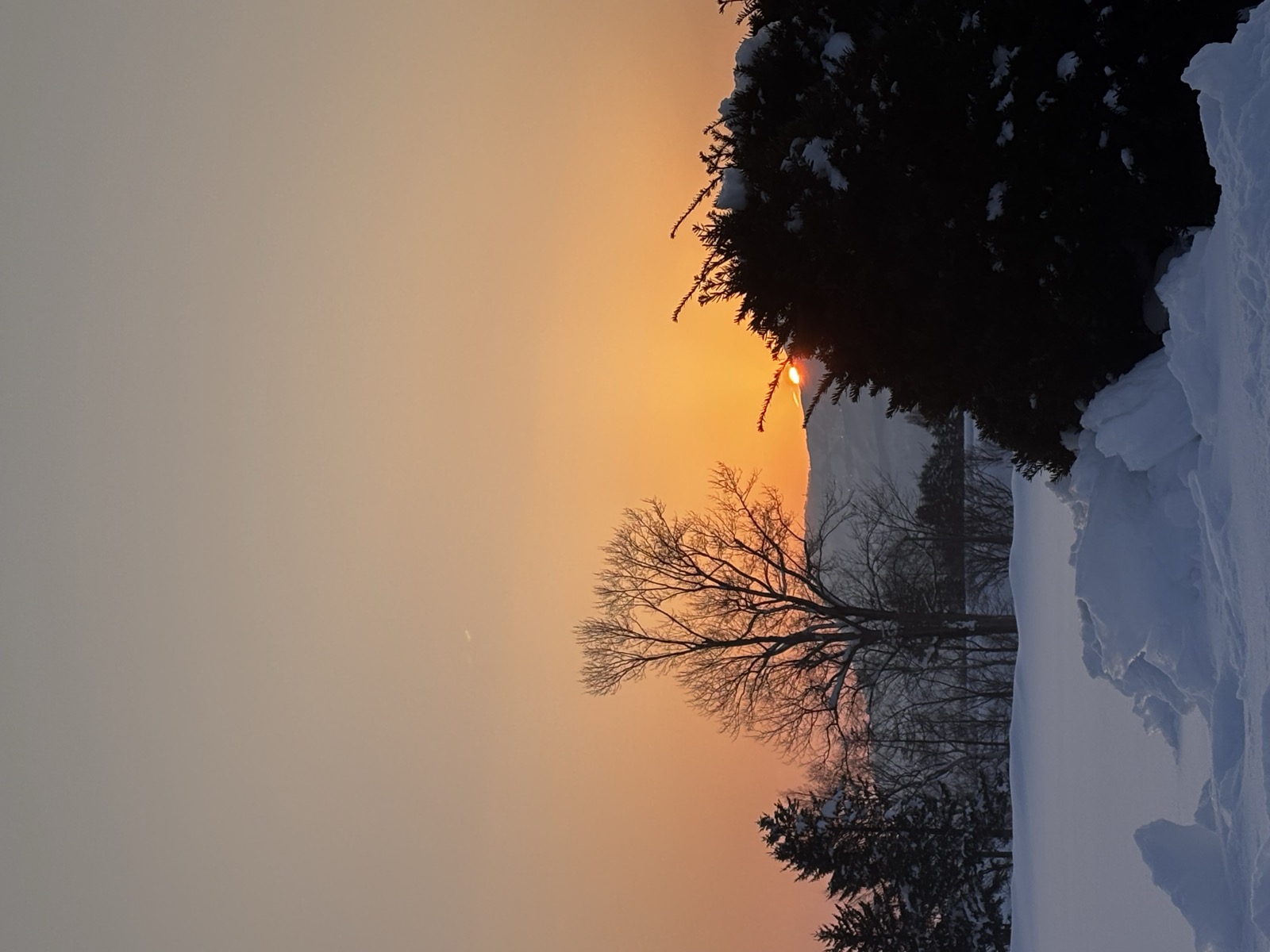
How Niseko actually splits peak and low season
Let's get the dates straight first, since everything else depends on them:
- 28 Nov–11 Dec: low season
- 12 Dec–14 Mar: peak season (covering Christmas, New Year, and Lunar New Year)
- 15 Mar–7 Apr: low season
- After 8 Apr: spring (some courses aren't offered, and snow conditions start to shift)
The above is Niseko's season breakdown in FUYU's 26-27 season price list. Dates may shift slightly each season, so the 26-27 season price list is authoritative.
Low season: what happens to flights
Flights for a ski trip track peak/low season very directly: Christmas/New Year and Lunar New Year are when demand for Hokkaido flights peaks, and fares usually hit their annual high during exactly this window. Avoiding those dates makes a noticeable difference.
I personally live near the resort, so flights aren't something I deal with, but here's a common approach: once you've settled on your travel dates, set a price alert and watch fare movements during that window, and don't hesitate once a price you're happy with shows up.
It's also worth prioritizing travel time: a direct airport-to-resort transfer takes about 2 hours, so a slightly later flight that still connects to a bus can be a solid option.
If you're considering a red-eye or an early-morning flight: shops at New Chitose Airport aren't open 24 hours. Most domestic-terminal stores close around 6–8pm, so arriving too early or too late means there may not be anywhere to eat. On the 4th floor of the domestic terminal there's an onsen facility open until 9am the next day (23 hours straight), with hot springs and rest areas to help you get through the wait, a common bridge option for red-eye or early flights. Some travellers also just book a hotel inside the airport to connect with an early flight.
Airport buses don't stop running just because it's low season (early December, after mid-March). Resort Liner's 26-27 window, for example, runs from 1 Dec to 30 Mar, covering our entire low-season window, but not every bus company matches this. White Liner's runs only from 12 Dec to 23 Mar, which happens to miss both the early-December and late-March low-season stretches. Before booking, always confirm your chosen bus company's operating window actually covers your travel date. Both were checked against the official sites on 4 October 2026.
Haven't decided how you'll get from the airport to the resort yet? Check out our full Niseko Transport Guide.
Low season: what happens to accommodation
Accommodation shows the biggest peak/low season price gap of the three. During peak season (especially Christmas/New Year and Lunar New Year), the best locations and room types often book out six months ahead, and prices hit their annual high; in low season (early December, after mid-March), prices drop and there's a much wider choice of room types too.
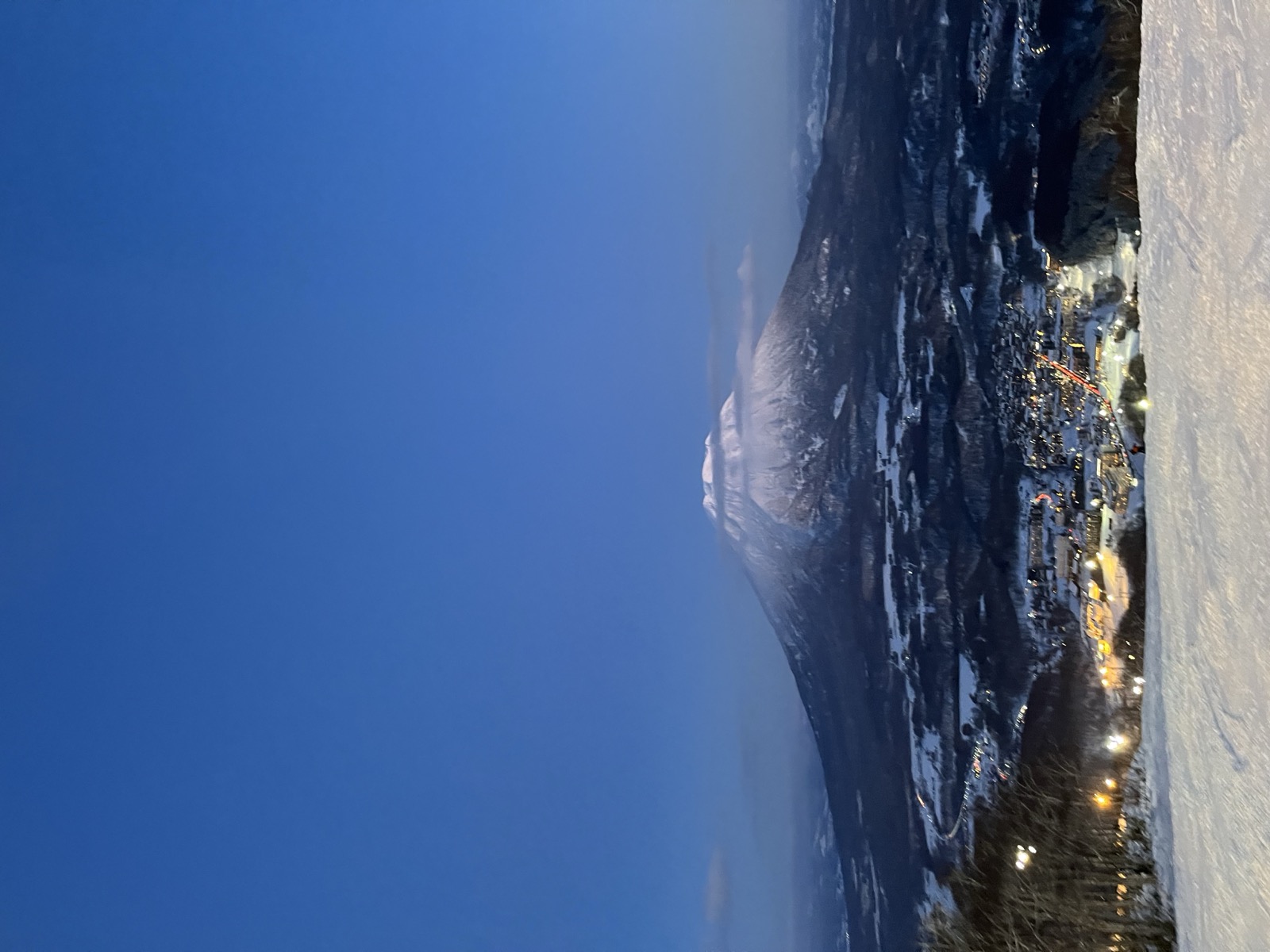
Want to know how to pick accommodation based on your travel style? Check out our guide to booking accommodation in Niseko.
Related: How to Book Accommodation in Niseko: A Ski Coach's Roundup of Real Student Feedback
Low season: what happens to lessons
This is the one most people don't expect: a lot of guests assume private lessons cost the same year-round. They don't. Private lessons in Niseko, Rusutsu and Kiroro are all priced separately for peak season, low season and spring:
Niseko
| Course | Peak 12/12–3/14 | Low season 11/28–12/11, 3/15–4/7 | Spring after 4/8 |
|---|---|---|---|
| Full Day, 6 hours | Peak 12/12–3/14¥98,000 | Low season 11/28–12/11, 3/15–4/7¥81,000 | Spring after 4/8¥75,000 |
| Half Day, 3 hours | Peak 12/12–3/14¥72,000 | Low season 11/28–12/11, 3/15–4/7¥58,000 | Spring after 4/8¥50,000 |
A FUYU full day at Niseko is ¥17,000 less in low season than in peak season, and ¥23,000 less in spring.
Rusutsu / Kiroro
| Resort | Regular season 11/28–3/31 | Spring after 4/1 (Kiroro only) |
|---|---|---|
| Rusutsu | Regular season 11/28–3/31¥108,000 | Spring after 4/1 (Kiroro only)N/A |
| Kiroro | Regular season 11/28–3/31¥118,000 | Spring after 4/1 (Kiroro only)¥88,000 |
Kiroro runs lessons through spring, and the same full-day lesson saves you ¥30,000 during that window. Rusutsu's season ends earlier, so it doesn't have a separate spring price.
Teine (new for the 26-27 season)
| Course | Peak 12/18–3/07 | Low season 11/28–12/17, from 3/08 |
|---|---|---|
| Full Day | Peak 12/18–3/07¥88,000 | Low season 11/28–12/17, from 3/08¥78,000 |
| Half Day | Peak 12/18–3/07¥65,000 | Low season 11/28–12/17, from 3/08¥55,000 |
Lesson prices above follow the 26-27 season price list.
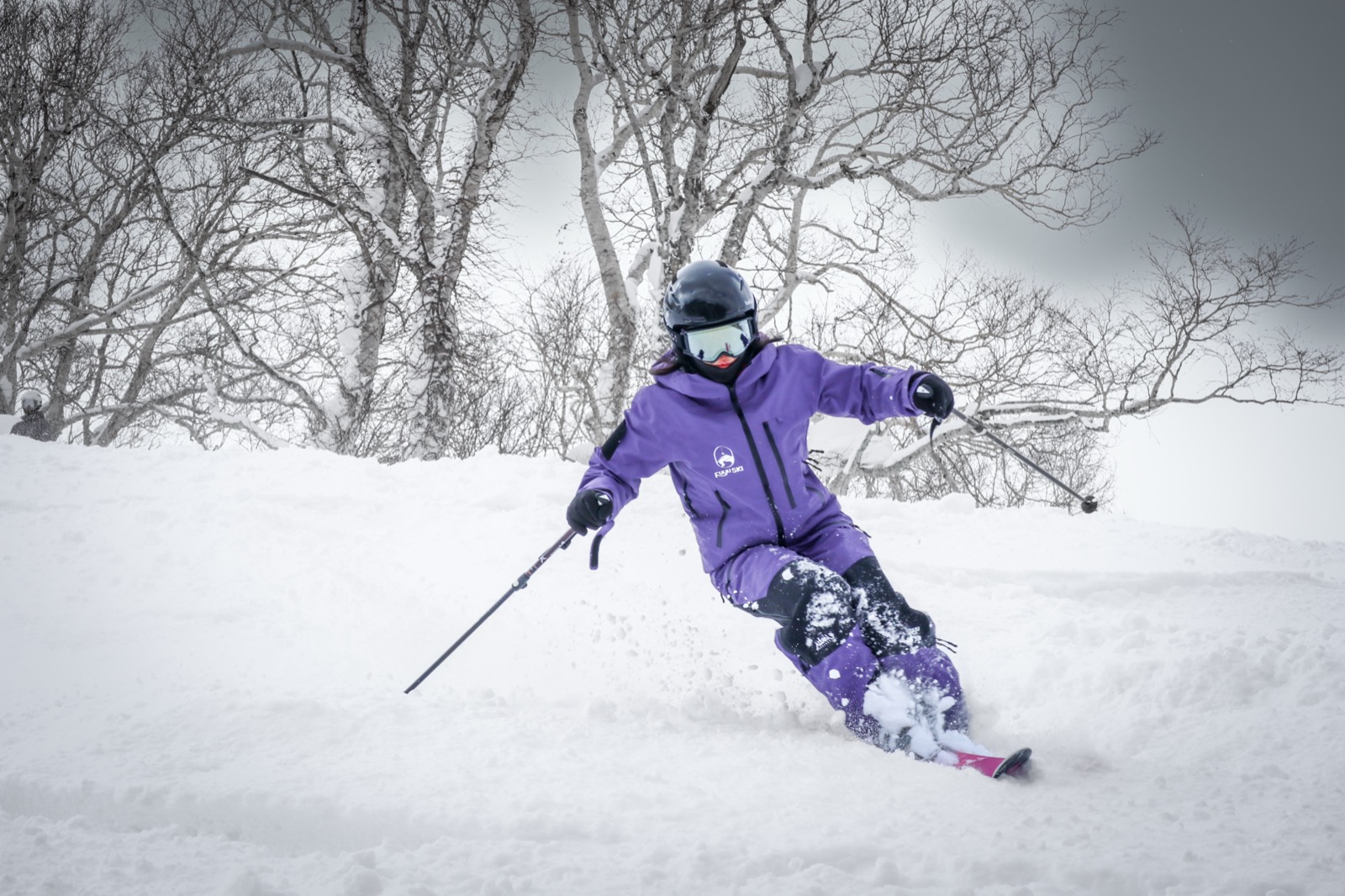
Beyond the price, low season has another easily overlooked upside
- Fewer crowds at the resort means a lot less time spent waiting around
- Heavy snowfall is still very possible. We've seen fresh powder as late as early April in recent years
- Spring snow conditions actually suit beginner and intermediate students better. The snow isn't as sticky, which makes braking easier for beginners and gives clear feedback for even a small amount of effort
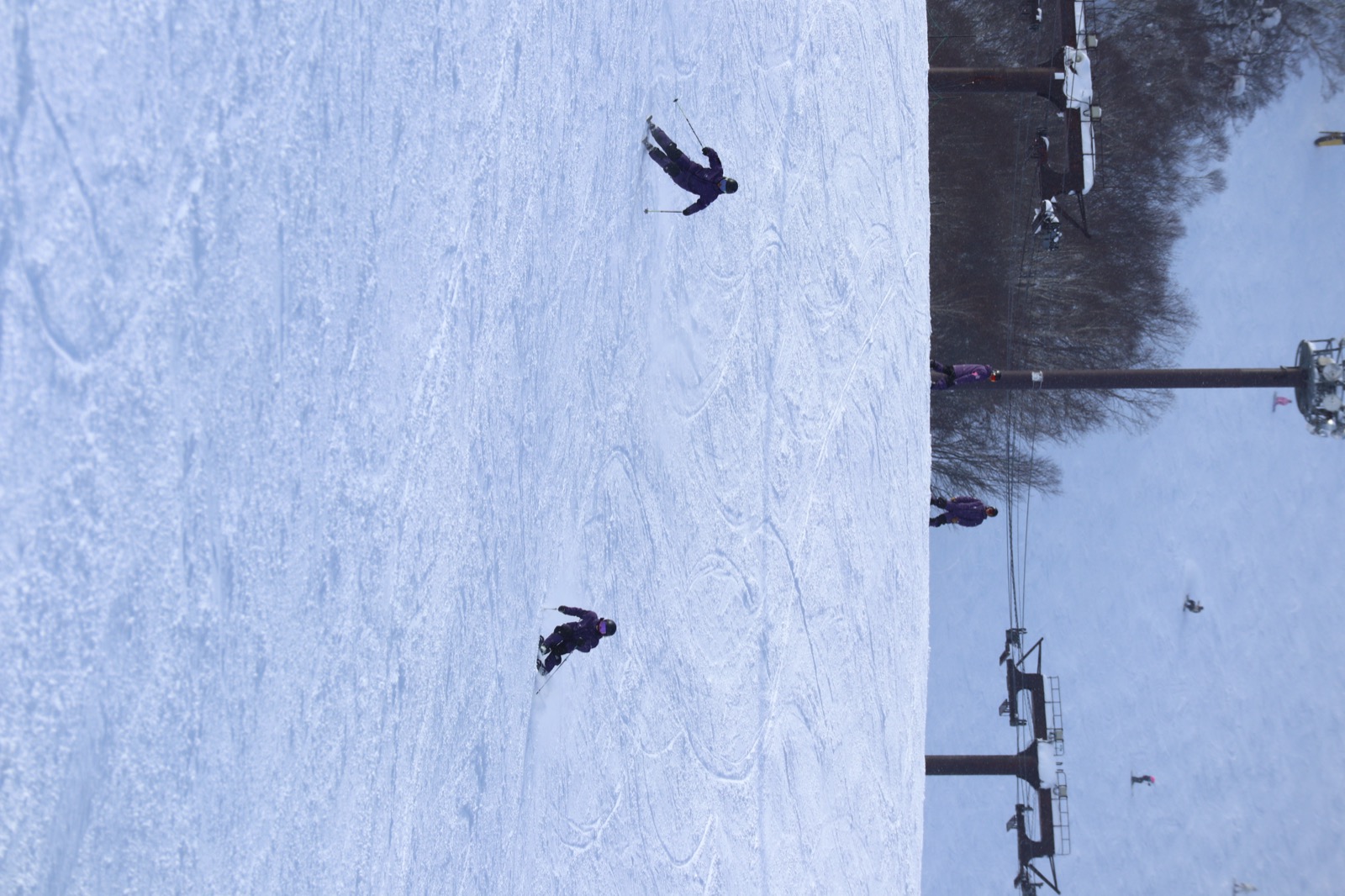
For beginner/intermediate students: this is a great window to practice braking and directional control. You'll pick up the feel faster, and your coach will help you find the right runs to practice on.
For advanced students: Niseko's spring skiing opens up a lot of natural terrain you don't get access to in peak season, with varied snow conditions that let you make major corrections to small technical issues in your riding.
For students who feel the cold: it simply won't be as cold during this window.
See the full course lineup for details.
Being honest: low season isn't a free lunch
The savings are real, but low season does come with some real trade-offs:
- Early December: the season has just started, snow base is still building up, and some runs may not be fully open yet
- After mid-March: temperatures start rising and snow quality gradually gets wetter and heavier
- After April (spring): conditions can turn slushy, almost like a slurry
A lot of students ask about snow conditions after mid-March: does the snow just disappear quickly? Resorts typically apply treatments to help preserve the snow base, aiming to keep conditions from melting away too fast. Resorts generally stay open into early May. Low season and spring skiing is a genuinely good window for saving money while still getting solid practice time in.
If budget is your priority, these trade-offs are very likely worth it. If your priority is the powder experience specifically, peak season (especially January–February) is still the more reliable choice.
Once you've picked your dates, here's what's next
Once you've settled on when to go, head straight to our course options to see the full lineup, or book a lesson to confirm whether your dates fall in peak or low season.
Which airport bus should you pick? Read this next
How to buy Niseko lift tickets: read this next
How to ski Teine on a budget: read this next