How to Buy Niseko Lift Tickets: The Most Common Points of Confusion
Niseko doesn't have just one lift ticket, and prices can swing more than 30% between peak and low season. Here's a coach's practical breakdown of which ticket actually fits you.
How to choose a Niseko lift ticket: FUYU coaches suggest first-timers buy the 12-point pass, people staying longer buy the 50-hour pass, and anyone who has already planned their route buys an all-mountain or single-area full-day pass.
Last updated: 22 October 2026 | 26-27 season
Hey there. This post walks you through lift tickets.
A lot of people assume there's just one "Niseko lift ticket" price to look up, but that's not quite right. Niseko is actually four resorts (Annupuri, Niseko Village, Grand Hirafu and Hanazono) operating together as "Niseko United." There are several different ticket types, and prices can swing more than 30% depending on whether your dates fall in low or peak season.
This post lays out the official options clearly, plus the practical "who should buy what" judgment calls FUYU coaches have picked up from actually teaching here.
The short answer
Before you buy:
One ticket, four resortsThe all-mountain pass covers Annupuri, Niseko Village, Grand Hirafu and Hanazono, including every Gate
The points pass costs the same all yearThe 12-point pass is ¥7,500 year-round, best value for beginners riding mostly regular lifts
Full-day passes depend on the seasonThe same adult 1-day pass is ¥8,800 in Early Season and ¥13,500 in Peak Season
Single-area passes cover two areasWhere you buy it decides which two areas' lifts you can ride, so plan your route first
Not valid at MoiwaNiseko Moiwa isn't part of Niseko United and needs its own ticket
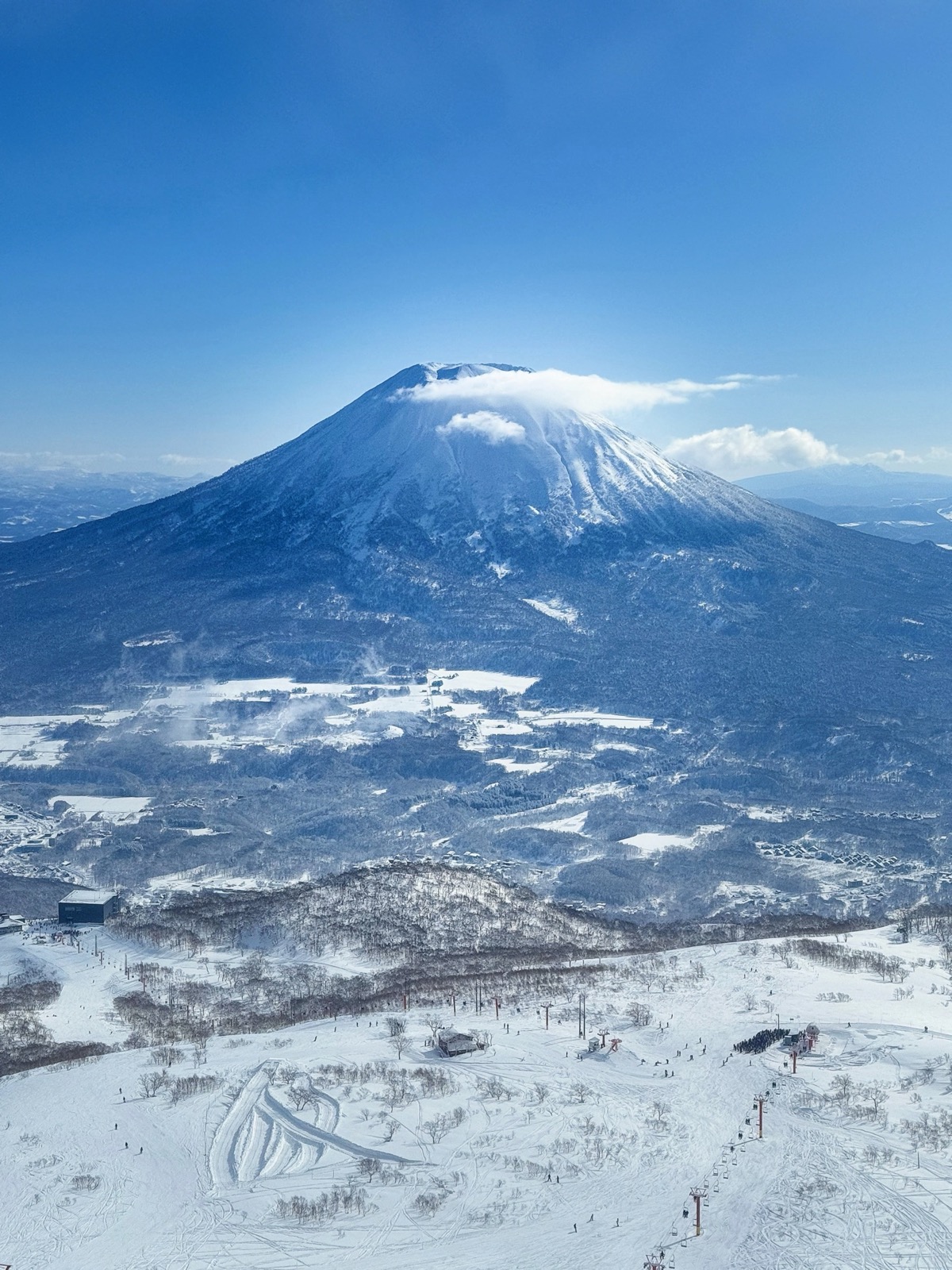
What lift ticket types does Niseko offer
Of the ticket types Niseko United officially lists for the 26-27 season, most visitors will use one of these four:
| Ticket Type | How It Works | Who It's For |
|---|---|---|
| 12-Point Pass | How It WorksNo time restriction. Points are deducted per lift ride until they run out | Who It's ForFirst-timers, families, anyone skiing just half a day or unsure of their stamina |
| 1–7-Day Full-Day Pass | How It WorksUnlimited rides that day, used on consecutive days through the last day's night skiing | Who It's ForAnyone confirmed to be skiing multiple days in a row, every day |
| 50-Hour Pass (online only) | How It WorksDoesn't need to be used consecutively, and usable any time within the season until the 50 hours run out | Who It's ForAnyone staying a while but not skiing every single day (e.g. two weeks, skiing half the days) |
| Single-Day Night Skiing Pass | How It WorksValid only during night skiing hours, cheaper than a full-day pass, limited to a single resort area | Who It's ForAnyone who just wants to try night skiing, or has other plans during the day |
Night skiing hours: 4:00–7:00pm at Hirafu, Hanazono and Niseko Village; 4:30–7:30pm at Annupuri.
How to make the points pass actually worth it
The official rule for how the 12-point pass deducts points: a gondola costs 4 points, a high-speed lift costs 2 points, and a regular lift costs 1 point. At Annupuri, for example, the Gondola costs 4 points, a high-speed lift like Jumbo Quad Lift #1 costs 2 points, and regular lifts like Dream Quad #1 and the Pair Lift cost 1 point each.
In other words, 12 points is roughly equivalent to: 3 gondola rides, or 6 high-speed lift rides, or 12 regular lift rides, or any mix of the three.
Here's the key judgment call: if you're planning to ride the gondola up to high terrain or the summit runs all day, 12 points will run out fast, and it works out more expensive than just buying a full-day pass, so it is not worth it. But if you're a beginner spending most of your time on beginner runs using regular lifts, with maybe one or two gondola rides up for the view, 12 points can end up considerably cheaper than a full-day pass, a great fit for families, or for anyone still finding their feet on day one.
For example, a "beginner" at the Hirafu resort will often practice on Family (a green run at the bottom-left of the map) or Boyo (a green run at the bottom-right), spending a lot of time on those runs just finding their feel for riding, which makes a points pass a great fit, since it can be used slowly over time.
Not sure yet what level you're at, or which runs suit you? Take a look at FUYU's course options to find the class matched to your level first, then come back and decide which lift ticket makes the most sense.
Full-day passes also split into all-mountain vs. single-area
A Niseko full-day pass lets you ski the whole day (get there early and you can really make the most of it). The one thing to watch for is the distinction between all-mountain and single-area.
- All-mountain access: Annupuri, Niseko Village, Grand Hirafu and Hanazono, including every Gate area
- Single-area pass (bought at Annupuri or Niseko Village): only covers Annupuri and Niseko Village lifts
- Single-area pass (bought at Grand Hirafu or Hanazono): only covers Grand Hirafu and Hanazono lifts
So planning your route ahead of time matters. It directly affects which ticket type you should buy.
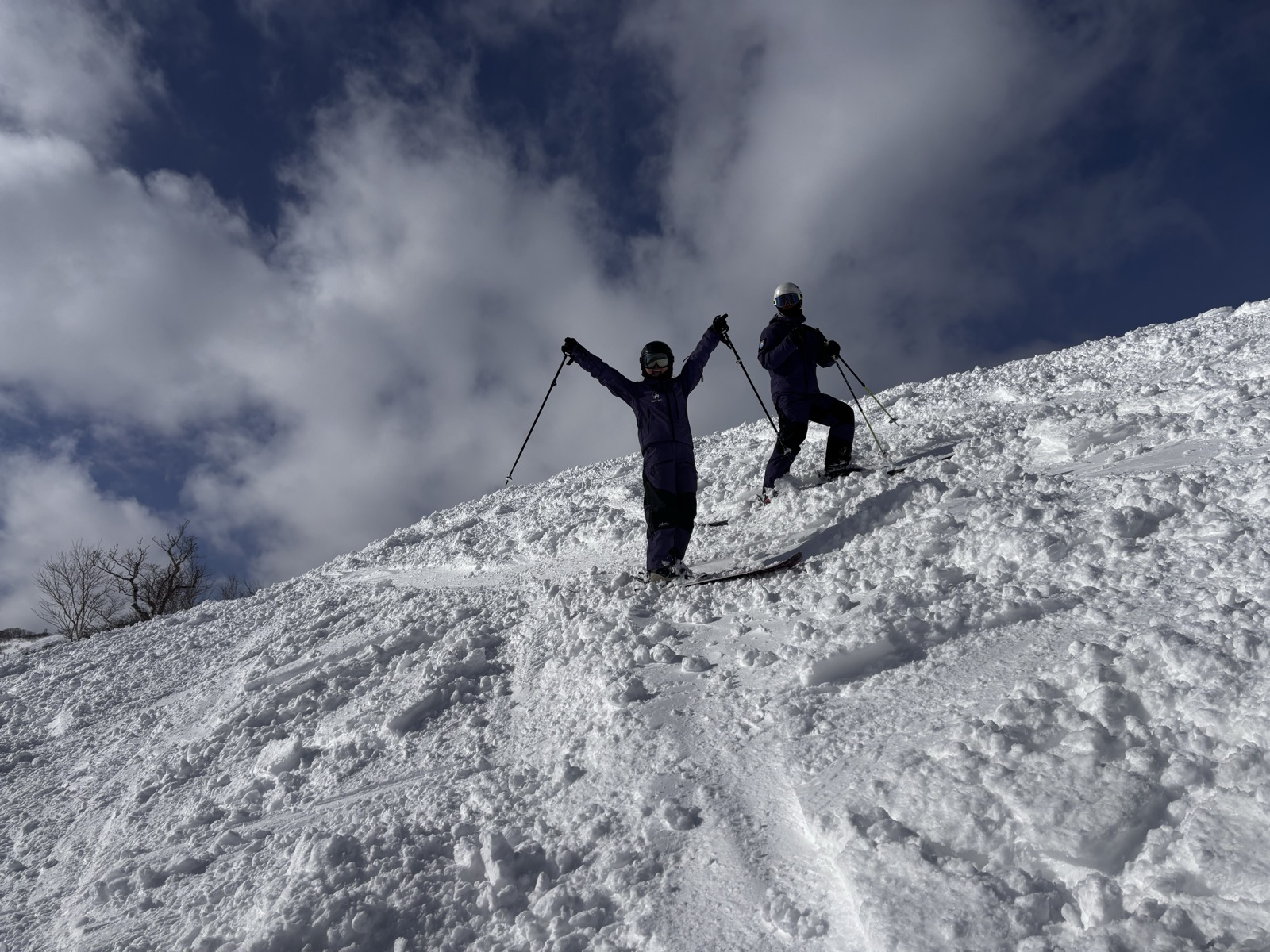
How big is the peak/low season price gap
The same full-day pass can vary a lot in price depending on your travel dates, something a lot of people don't notice when booking accommodation. Take the adult 1-day full-day pass as an example:
| Season | Date Range (26-27 season) | 1-Day Pass Price |
|---|---|---|
| Early Season | Date Range (26-27 season)11/28–12/11 | 1-Day Pass Price¥8,800 |
| Regular Season | Date Range (26-27 season)12/12–12/23, 3/1–3/22 | 1-Day Pass Price¥12,600 |
| Peak Season (Christmas/New Year through end of February) | Date Range (26-27 season)12/24–2/28 | 1-Day Pass Price¥13,500 |
| Spring Season | Date Range (26-27 season)3/23–4/4 | 1-Day Pass PriceAs announced on the official site (similar range to Early Season) |
For the exact same 1-day full-day pass, Early Season is nearly 35% cheaper than Peak Season. If your trip falls right at the start or end of low season (early December or late March), you're already saving on lift tickets alone before anything else, which lines up with the same window our bus guide mentioned as having fewer bus options, so the two are worth reading side by side.
The 12-point pass isn't affected by season at all. It's a flat ¥7,500 year-round. So if you were already planning to buy a points pass, there's no need to specifically target low season. It's the full-day and multi-day passes where you need to watch the seasonal cutoffs closely.
Where to buy
- Buy online (officially recommended): pick your dates ahead of time, then pick up your ticket at any resort's ticket window when you arrive. You can also reload it directly on a return visit, and some online-only discounts apply. This skips the on-site queue entirely, and during holiday periods those queues get long, so we strongly recommend buying online in advance.
- At the counter: all four resorts have ticket windows, and staff can help you pick the right ticket type on the spot. Good if you haven't decided which one you need and want to ask in person
- Through your hotel concierge: if you're staying at a resort-affiliated hotel, the front desk can usually book it for you, one less thing to arrange yourself
Quick note: if you lose a ticket bought online, it can be reissued at a ticket window, but there's a ¥3,500 handling fee, so we'd recommend keeping your ticket card away from your phone, since being too close to a phone can sometimes cause scanning issues.
Lift ticket + bus combo packages
All three of the common airport bus companies (Resort Liner, White Liner, Chuo Bus) have combo packages with Niseko United bundling lift tickets and bus fare. The exact details need to be confirmed directly with each bus company. Worth reading alongside our airport bus guide, and ask about any combo discount when booking. It's often cheaper than buying the lift ticket and bus separately.
Related: Niseko Airport Bus Compared: Resort Liner vs. White Liner vs. Chuo Bus
Easy to overlook: Niseko Moiwa isn't included
Even though it's right next to Niseko, Niseko Moiwa is not part of Niseko United. None of the Niseko United lift tickets, whether points pass, full-day pass, or season pass, work at Moiwa, so you'll need to buy a separate ticket there. If you're planning to ride powder or spring conditions at Moiwa (well known for its backcountry access), don't assume the ticket in your pocket will just work.
Next Steps
Want to know how to get from the airport to Niseko? See our airport bus guide. Want to know how to book accommodation? See our Niseko accommodation guide. Trying to stick to a budget? Our guide to budgeting for a Hokkaido ski trip covers the same low/peak season savings logic for lift tickets too.