Choosing Your Run at Niseko Hirafu: Four Lifts, Nine Runs and How the Routes Link Up
Who each of Grand Hirafu's nine runs suits and what to watch for, plus how to read the junctions and how to ride the longest route. From FUYU coaches' own teaching experience.
FUYU coaches' advice: beginners start on the four green runs, Family, Green, Kogen and Boyo; move to the red run Alpen once you can change edges; leave the two black runs, Ni-Kabe and Super, for advanced riders. Beginners Access and Sennoki are connectors, not practice runs.
Last updated: 22 October 2026 | 26-27 season
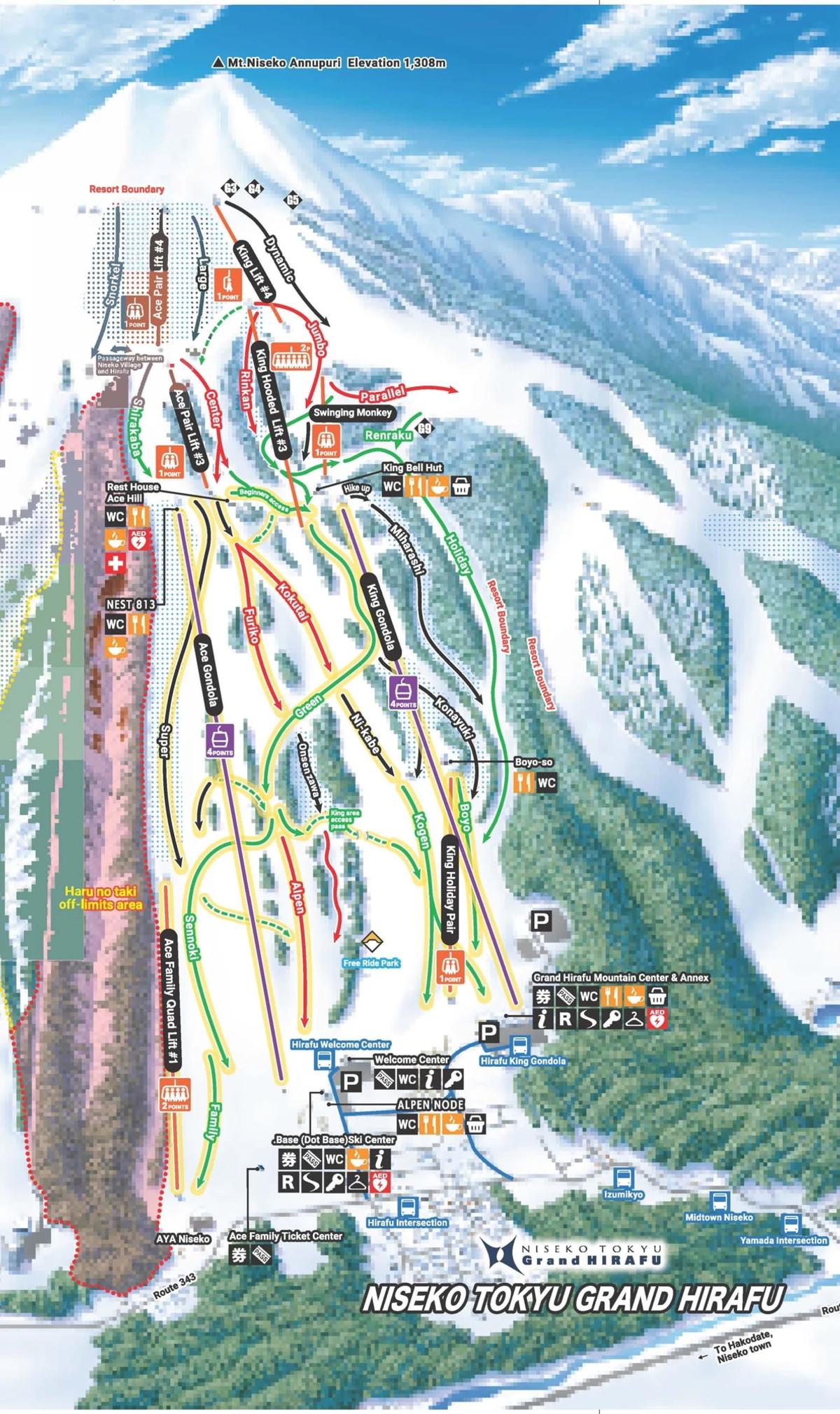
The quickest way to understand Hirafu's runs is by lift. Which lift you take decides which runs you can reach.
This guide covers the nine runs the four main lifts lead to: what each one is actually like, who it suits, what to watch for, and how to read the junctions. It comes from FUYU coaches' own teaching experience, and applies both during the day and in the night session.
The short answer
Before you head up:
Think in liftsWhich lift you take decides which runs you can reach
Beginners: start on FamilyThe stretch by the lift arrival station is steeper; after that the gradient is steady
Ride connectors straightBeginners Access and Sennoki are for getting somewhere, so don't try to do much on them
Don't sit at the side of a runPeople above can't see you; take breaks somewhere open
The longest route needs direction controlAt least falling leaf or wedge turns; if you can't stop yet, leave it for later
The one-minute version
| Run | Grade | Reached from | Who it suits | In one line |
|---|---|---|---|---|
| Family | GradeGreen | Reached fromAce Family | Who it suitsBeginners | In one lineA practice paradise, though it's steeper near the lift station |
| Beginners Access | GradeGreen | Reached fromAce Gondola | Who it suitsA connector | In one lineVery narrow, so just ride straight down |
| Green | GradeGreen into red | Reached fromAce Gondola, King Gondola | Who it suitsBeginners | In one lineThe best view, straight at Mount Yotei |
| Sennoki | GradeGreen | Reached fromOff a Green junction | Who it suitsA connector | In one lineGo deeper in for a better turning line |
| Kogen | GradeGreen | Reached fromKing Holiday Pair, or down from Ni-Kabe | Who it suitsBeginners | In one lineThe top half is good for carving |
| Boyo | GradeGreen | Reached fromKing Holiday Pair, or down from Ni-Kabe | Who it suitsBeginners | In one lineStay left the whole way |
| Alpen | GradeRed | Reached fromOff a Green junction | Who it suitsOnce you can change edges | In one lineMessy terrain, big changes in pitch |
| Ni-Kabe | GradeBlack | Reached fromOff a Green junction | Who it suitsAdvanced | In one lineMoguls on the left, smooth on the right |
| Super | GradeBlack | Reached fromAce Gondola | Who it suitsAdvanced | In one lineMoguls almost the whole way, so a technique run |
1. The four main lifts
| Lift | Type | Leads to |
|---|---|---|
| Ace Gondola | TypeGondola cabin | Leads toSuper, Beginners Access, Green |
| Ace Family | TypeOpen chairlift | Leads toFamily |
| King Gondola | TypeGondola cabin | Leads toGreen |
| King Holiday Pair | TypeOpen chairlift | Leads toKogen, Boyo |
The two gondolas are enclosed; the two chairlifts are not. On a cold day, or during the night session, that difference is obvious.
2. Beginner routes
Family (green)
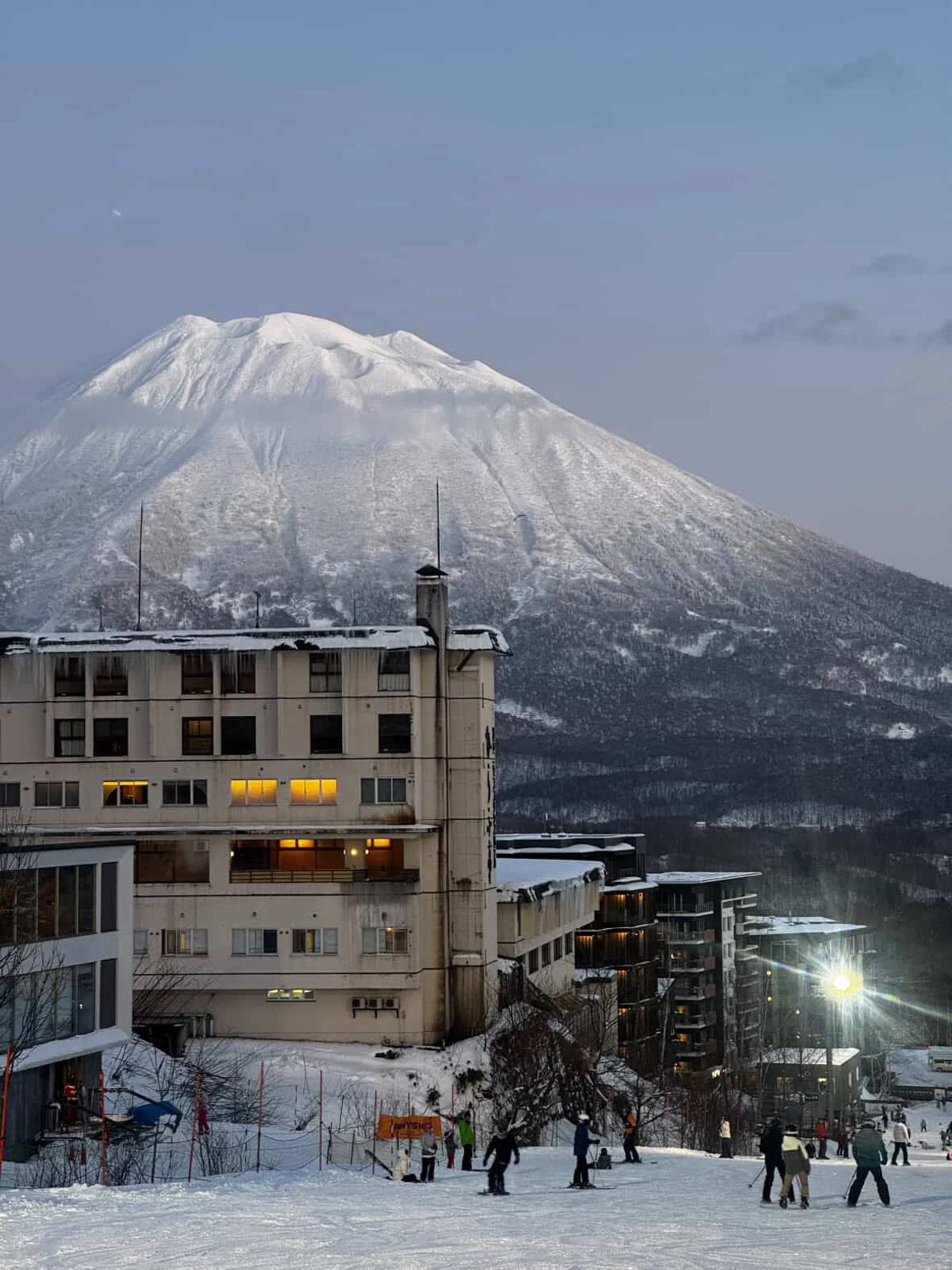
A practice paradise for beginners.
The part to watch is the stretch by the lift arrival station, where the pitch is steeper. After that the rest of the run suits beginners well, with a steady gradient.
Kogen (green)
Coming off the King Holiday Pair, face down the mountain and carry a little speed as you head right.
The top half is smooth and great for working on carving. The bottom half pulls you towards the middle of the run, so keep your power and speed in check.
Boyo (green)
Coming off the King Holiday Pair, head straight right.
It's a little steep at the start, very flat through the middle, then steepens again as you approach the lift station.
Stay on the left the whole way down. Too far right and the terrain will pull you towards the middle.
Green (green into red)
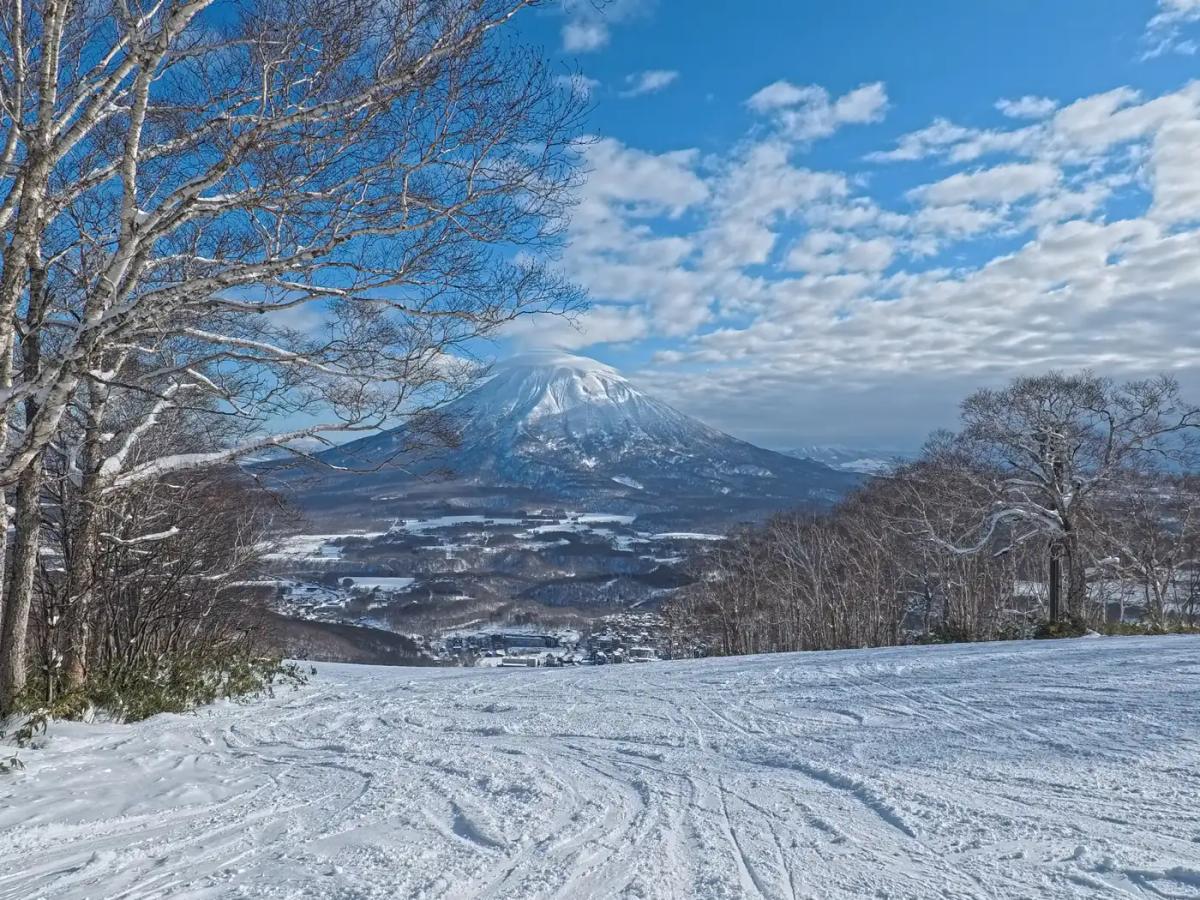
The best view on the mountain. Look straight ahead and Mount Yotei is right in front of you.
There are a lot of beginners here, and open tree areas on both sides.
One safety point: never sit at the side of a run, or anywhere that can't be seen from above. People coming down can't see you, and that's where collisions happen most. Take your breaks somewhere open, where anyone above can see you.
This route has plenty of junctions; how to choose is in section 4, Reading the Green junctions.
3. The connectors
A connector is a run built to link areas and move you from one side to the other. It isn't for practising. A resort won't run a lift just for a connector, and the line is usually narrower. The point of riding one is to get somewhere, not to work on your technique.
Beginners Access (green)
This is a connector, not a practice run.
The line is very narrow.
Don't try to do much on this one. Just ride straight down, and keep an eye on the traffic above, below and either side. On a narrow line with a lot of people, a sudden change of direction is how accidents happen.
Sennoki (green)
This is a connector, not a practice run.
You enter it off a junction on Green.
Once you're in, you'll meet a steeper wall on your left. Go a little deeper in. There's a better line for turning your way down there. It brings you back onto the Family run.
4. Reading the Green junctions
Coming down Green you'll meet two junctions, and not at the same time. You reach the first one first; carry straight on and you meet the second.
The first junction: straight on for Green, or left for Ni-Kabe
Facing down the mountain, the run on your left is the black run Ni-Kabe. You can tell it by three things: you can't see the bottom, it's on your left, and you can't see Mount Yotei from it. Carrying straight on keeps you on the Green line.
A black run. For advanced riders.
Facing down the mountain, the left side is usually moguls and the right side is usually a smooth line. If you want to focus on your riding, take the right.
Ni-Kabe runs down to Kogen, and cutting left from there takes you to Boyo.
The second junction: Alpen or Sennoki
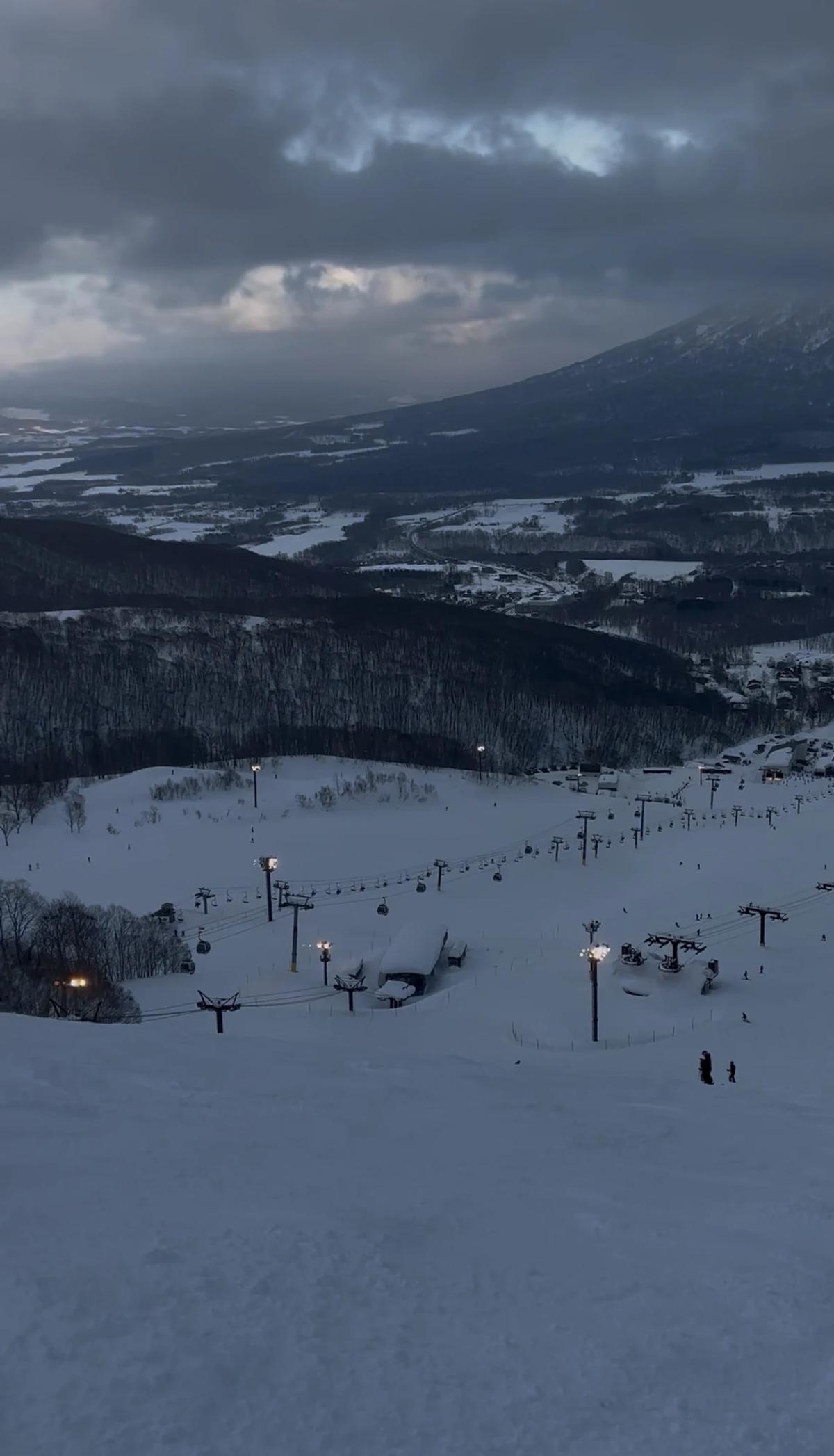
You only reach this one after carrying straight on down Green. Straight to the end is the red run Alpen; keep right and you'll see an entrance heading back into the mountain, towards the green run Sennoki.
A red run. Better to come here once you can change edges.
The terrain here is usually messy and the pitch changes a lot, and now and then a lost beginner ends up on it, so watch for people appearing suddenly on your line.
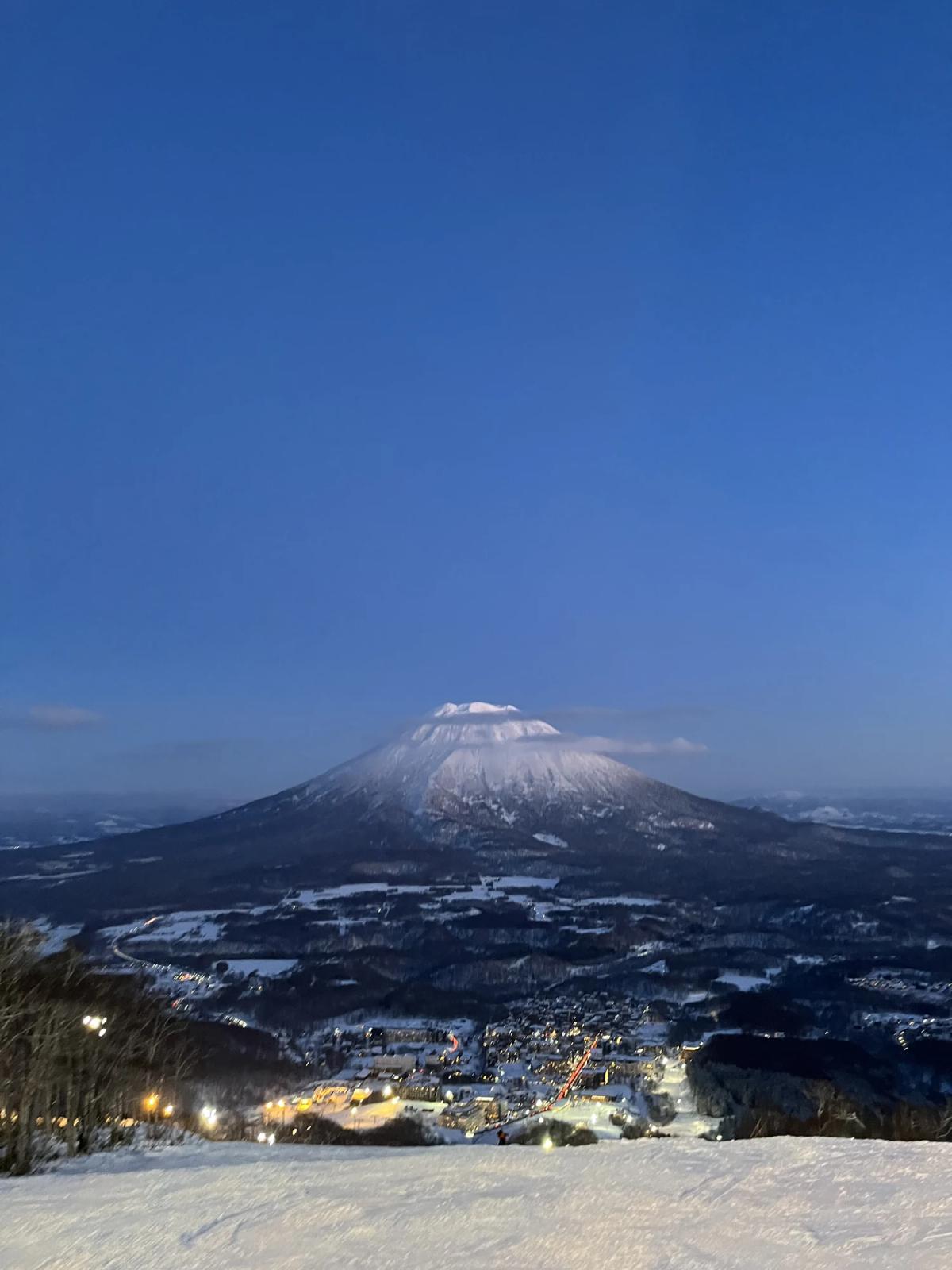
Sennoki is a green run and works as a connector. Go deeper in for a better turning line, and it finishes back on the Family run.
5. Advanced routes
Ni-Kabe (black)
Facing down the mountain, the left side is usually moguls and the right side is usually a smooth line. The two sides are completely different in character, so pick your side based on what you want to work on that day.
Super (black)
Almost the entire run is moguls, made up of double-black and black sections.
If you want to work on technique this one is very useful. It's the best run at Hirafu for sharpening your riding.
6. How to ride the longest route
This route strings together most of the resort, and it's the fullest run of the mountain you can do.
The bar to clear: you need directional control or better: falling leaf, or wedge turns, for example. If you're still at the stage of not being able to get moving, or not being able to stop, leave this one for later.
The full route
- Ride the Ace Gondola up. At the top, to the left as you face Ace Hill (restaurant and rest area), there's a run called Beginners Access
- Riding down you'll see King Bell Hut (restaurant and rest area). Follow the line and it joins Green, or carry on towards Mount Yotei
- Next you reach the first junction. Facing down the mountain, the run on your left is the black run Ni-Kabe. You can tell it by three things: you can't see the bottom, it's on your left, and you can't see Mount Yotei from it. The other one stays on the Green line
- Carrying on down Green you'll hit a steeper section where a lot of beginners need a hand. After that it flattens out
- Then comes the second junction. Straight on to the end is the red run Alpen. If you're a beginner and want to stay on green, keep right. You'll see an entrance heading back into the mountain, towards Sennoki
- Once you're in Sennoki you'll meet a steeper wall on the left; go a little deeper in, where there's a better line for turning your way down
- Then you come out at the top of the Family run. Stay left here to get back to Dot Base (near the Ace Gondola station); going right takes you back to the Family lift
The other way round
Take Ni-Kabe at the first junction and it joins Kogen; facing down the mountain, cut left and you can reach Boyo, finishing at the Mountain Center.
The two routes end in different places. One at Dot Base, one at the Mountain Center. Check which side your meeting point or your car is on before you set off.
7. What changes during night skiing
All four of the lifts above run during the night session, so every run in this guide is rideable.
These four, though, are closed at night:
- Miharashi
- Holiday
- Konayuki
- Onsenzawa
The full night-skiing information, covering hours, lift passes, rentals and what catches people out, is in a separate article; link at the end.
8. How to tell which runs are open today
Look at which lifts are running, and you know which runs will be open.
Resorts don't post the status of every single run, but they always post which lifts are running. The runs are strung together by the lifts, so if a lift isn't turning you simply can't reach the runs on that side.
This works at any resort on any day, and it's far more reliable than guessing from run notices.
The run assessments and route guidance here come from the FUYU SKI coaching team's own teaching experience at Grand Hirafu in Niseko. This guide covers the runs reachable from the four main lifts; there are other routes in the upper part of the resort. Which runs are open changes daily, so please check the resort's announcements on the day before you set out.
Related: Why Is Niseko's Snow So Special? Three Ways Coaches Read the Day's Conditions