Snowboard Boot Soles: The Parking Lot Fall Hurts More Than the One on Snow
Rubber or EVA? FUYU founder Brian breaks down boot soles from a safety angle: parking lots, restrooms, lift lines. You can slip anywhere, and it hurts more than falling on snow.
by FUYU founder Brian
Last updated: 22 October 2026 | 26-27 season
If you've decided you're going to keep snowboarding (not just try it once), FUYU coaches' answer is: the first piece of gear you should buy is boots.
The reason is simple: a pair of boots that actually fit you lets you control your board better, and lets you feel what the board and the snow are telling you much more clearly.
The short answer
Boots are the first thing to buyBoots that fit let you control the board better and feel the snow more clearly
You walk in them tooCar parks, restrooms, the lift: you can slip anywhere, and it hurts more than snow
Rubber grips better than EVAEVA is light, but grip on wet or icy ground is limited
Flip the boot over before you buyCheck the rubber coverage, grip at the forefoot and heel, and tread depth
Boots are also one of the pieces of gear where I personally felt the biggest difference after switching. And they don't take up much luggage space. You can practically wear them through the airport (kidding, sort of).
There's nothing wrong with wearing rental boots your first time out. But most rental shops need boots that fit a wide range of foot shapes, so they usually go with something soft and easy to adapt to. On top of that, after being used by countless different people, the support and inner-liner fit have usually already broken down.
So how should you actually pick snowboard boots? I'd suggest starting with these four things:
- Basic safety: sole material
- Lacing: BOA, speed lace, traditional laces
- Support: flex / stiffness
- Fit and sizing
This post starts with the thing people overlook most: the sole.
Snowboard boots aren't just for riding
Snowboard boots aren't only used clipped into your bindings. You'll also spend a lot of time just walking in them.
Icy paths, snow, parking lots, restrooms, restaurant seating areas, getting on and off the lift. The ground can be slippery in all of these places.
And falling in one of these spots usually hurts more than falling on snow. (Genuinely, not exaggerating.)
So the grip on the sole is actually an important safety consideration when choosing boots. It's just something a lot of people don't think to check.
Rubber vs. EVA: what's the difference
Snowboard boot soles are usually made from either rubber or EVA foam.
| Sole | Weight | Grip | Other |
|---|---|---|---|
| Rubber | WeightUsually a bit heavier | GripBetter | OtherMore durable |
| EVA foam | WeightLightweight | GripGenerally limited on wet or icy surfaces | OtherGood cushioning |
That's not to say rubber soles never slip. On genuinely glassy ice, any sole can slip. It's just that compared to a sole made mostly of EVA foam, rubber generally gives you better grip.
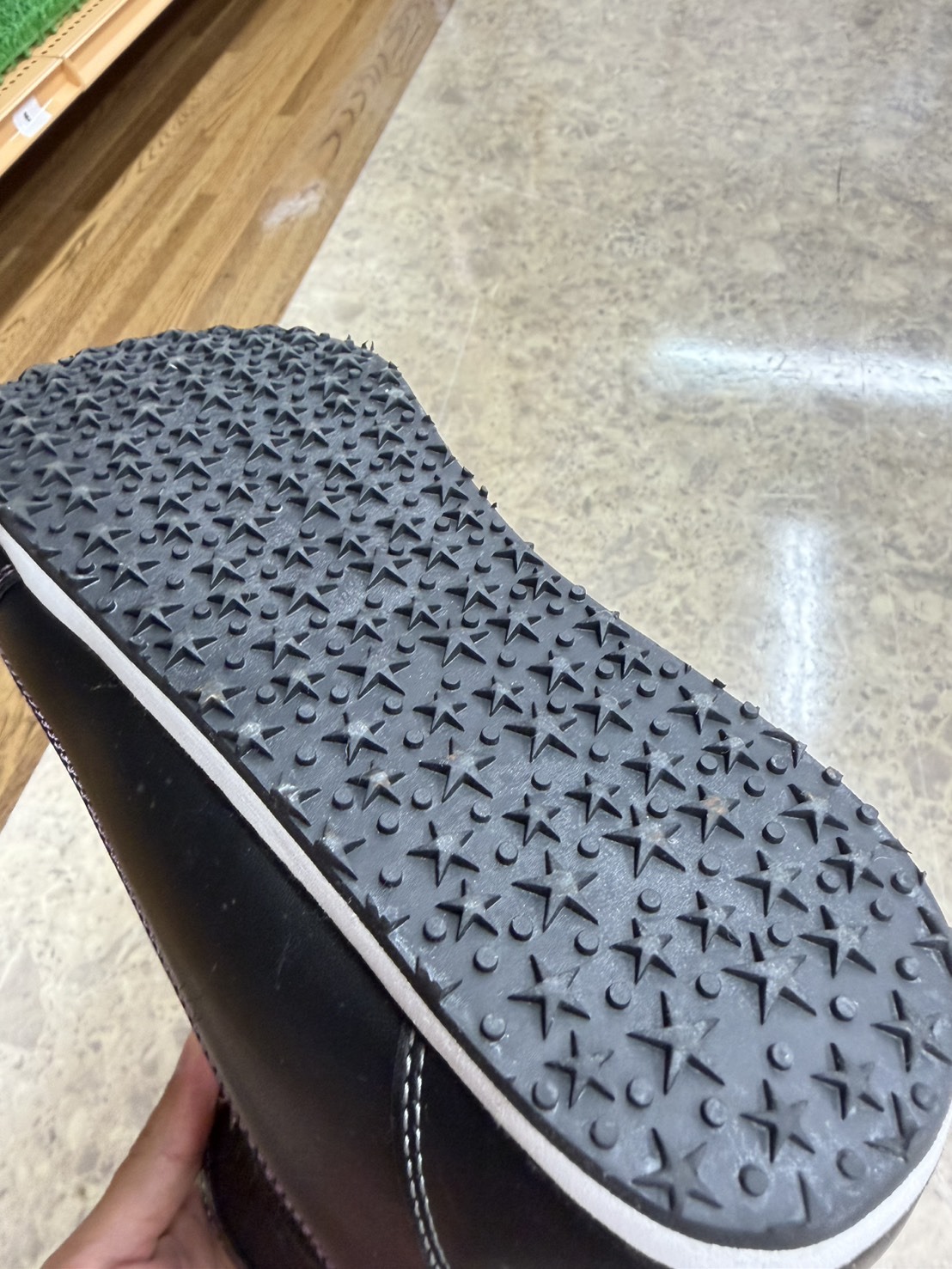
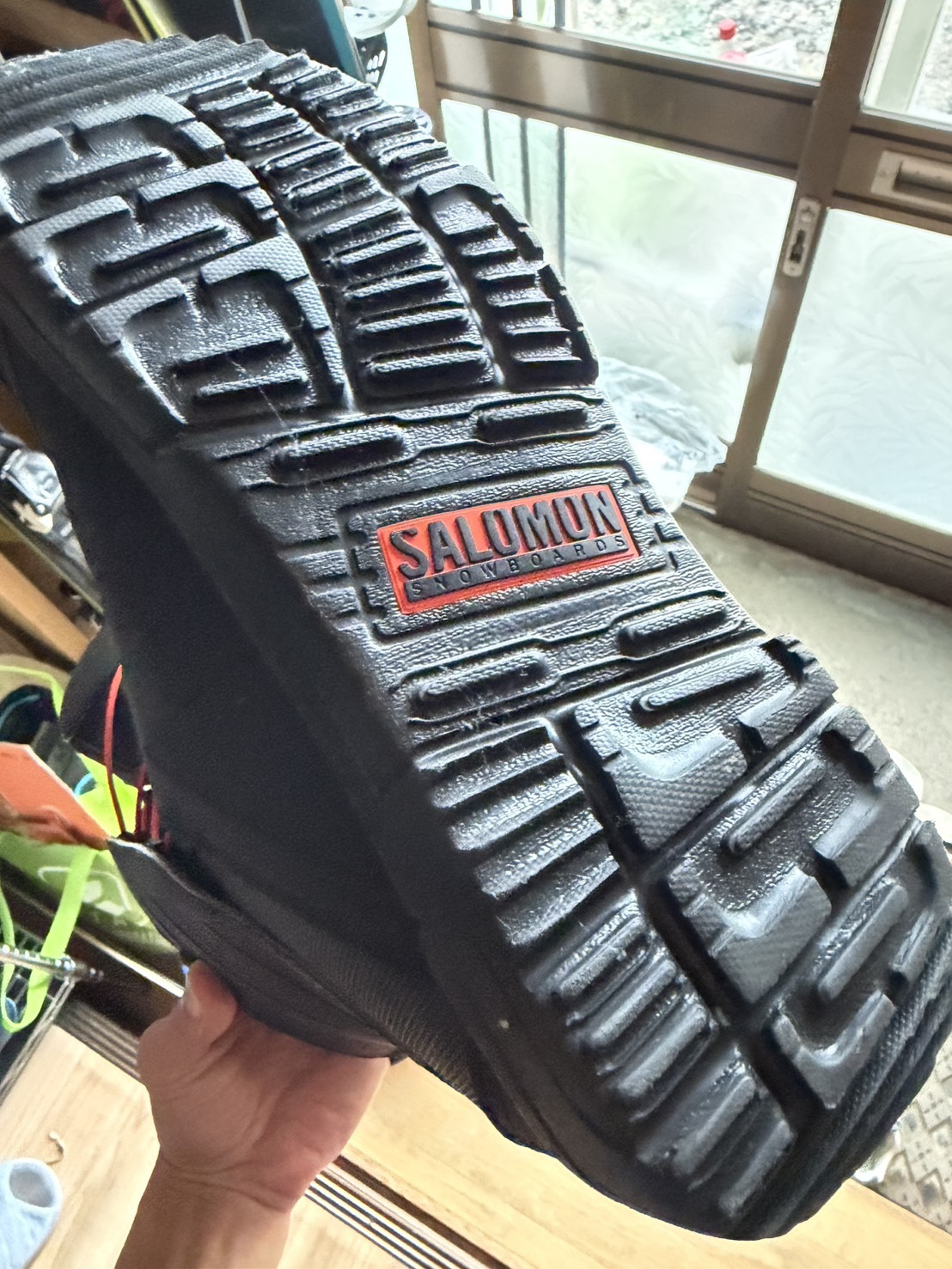
Flip the boot over before you buy
Besides size, comfort and weight, it's worth flipping the boot over and checking:
- Whether the sole has enough rubber coverage
- Whether there's rubber grip at the forefoot and heel
- Whether the tread pattern is clear and has some real depth
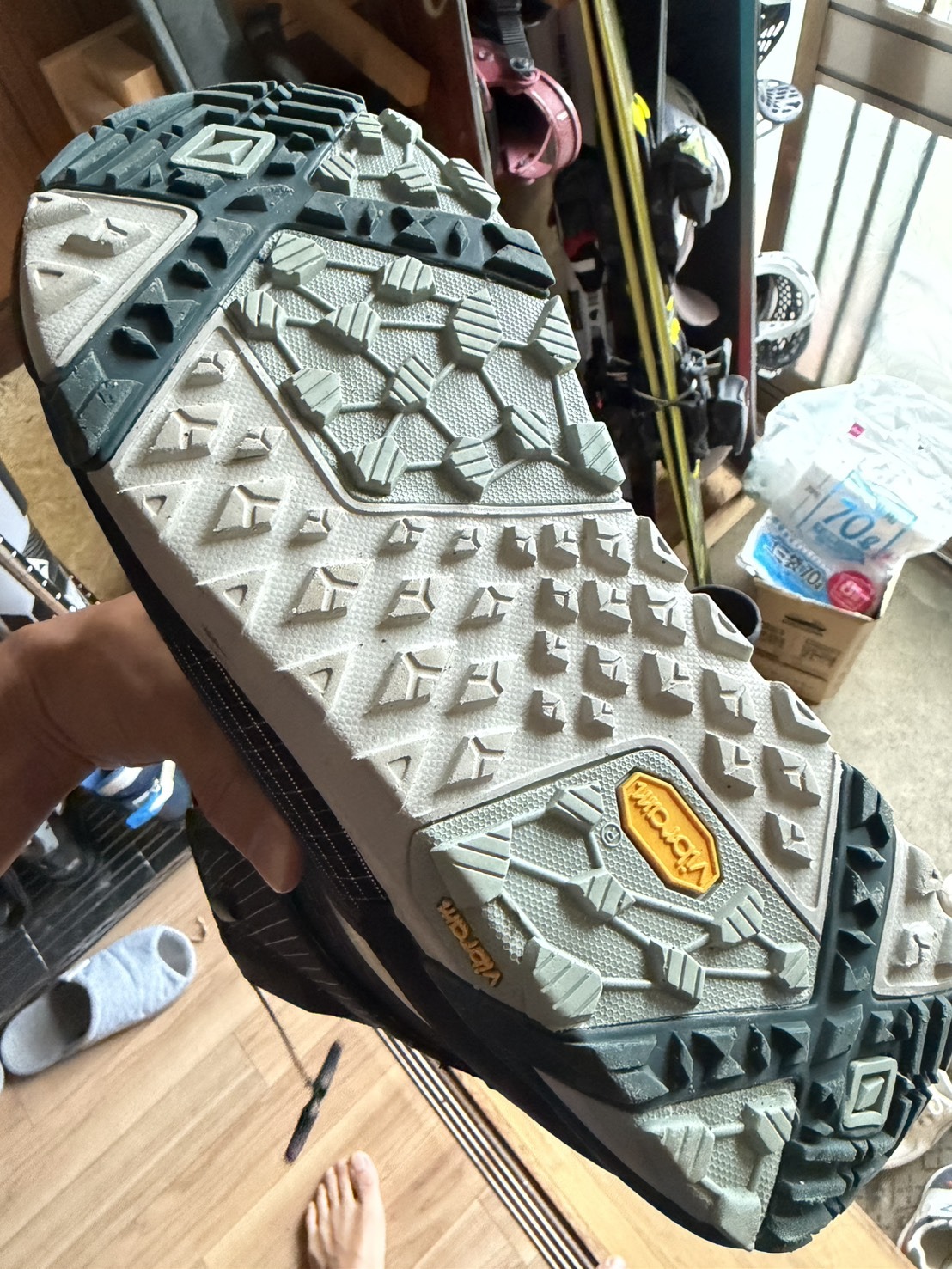
I'd recommend prioritizing boots with more complete rubber coverage and a more pronounced tread pattern.
Some entry-level boots use almost all-EVA soles to cut weight or cost. They're genuinely light, but given how often you'll run into wet or icy ground at a resort, I personally wouldn't recommend them.
Next time you're buying boots, remember to actually touch the bottom of them.
Does it feel like a car tire, with some rubbery grip to it? Or does it feel smooth and slippery, like foam?
Beyond the boot's weight, don't forget to check what the sole is actually made of, and how much of it is really covered in rubber.
A Note From FUYU
If you're picking out your first pair of boots and aren't sure what style, stiffness or size to go for, feel free to come talk to us.
We won't just point you at the most expensive option. We'll help you find the boot that actually fits your level, your foot shape, and where you want to take your riding next.
→ Not sure what level you're at? Take our 2-minute quiz
Boot Series
- Sole material & safety (this post)
- Boot lacing: choosing between BOA, Speed Lace and laces
- How to choose boot stiffness (flex)
- How to check boot fit and sizing