Skiing Hokkaido in January: dates, booking, packing and itineraries
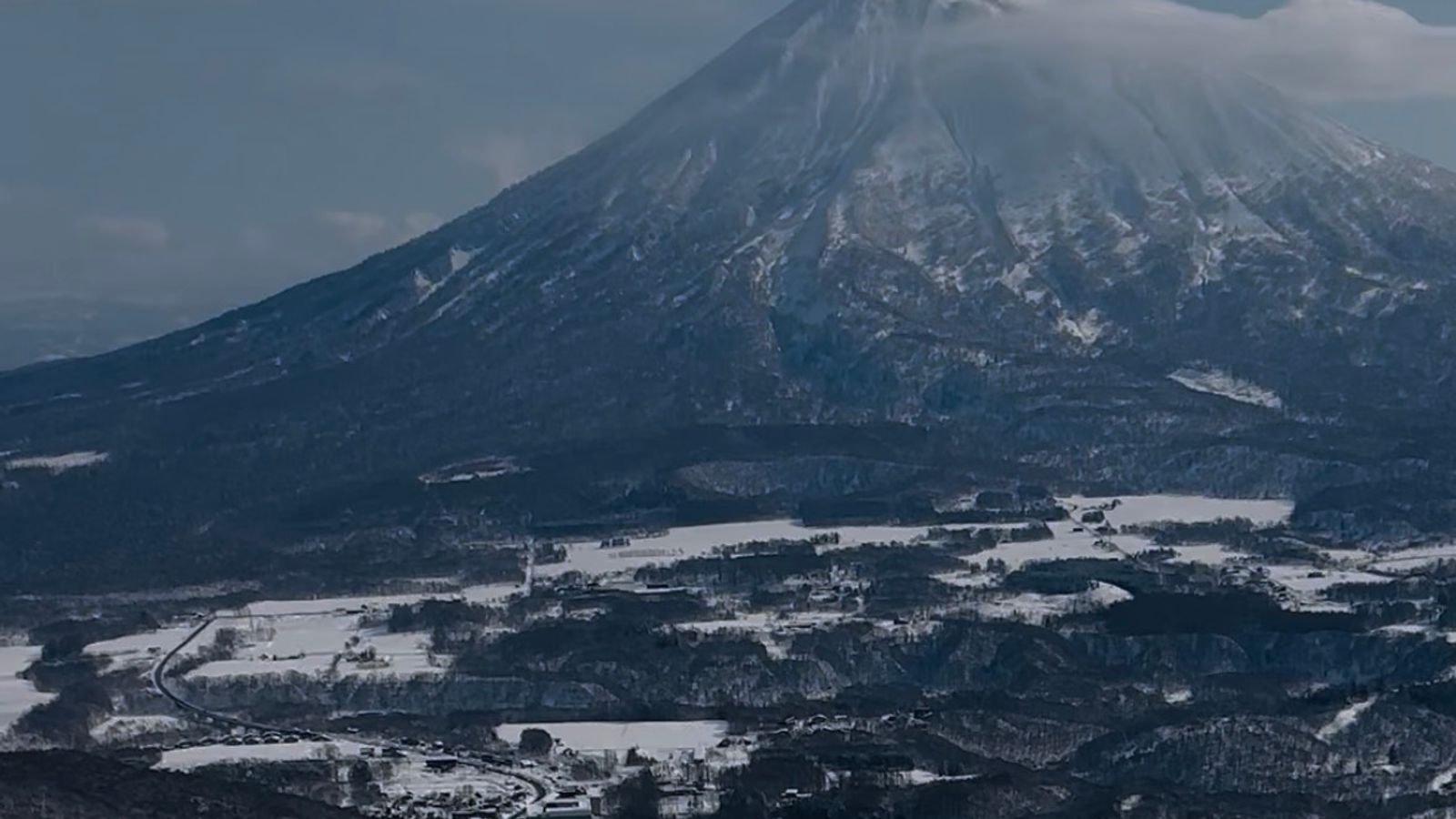
Which dates miss the crowds, when to book your coach and your lodging, how to dress for January, what to pack, and two worked itineraries for Niseko and Teine.
Check mid-January dates →The short version
Skiing Hokkaido in January: to miss the crowds, aim for 12 to 25 January; what FUYU hears guests regret most is booking the coach and the accommodation too late, so for a January trip book them now; and while you are moving, 0°C is not as cold as it sounds, so focus on wicking and waterproofing.
Last updated: 22 October 2026 | 26-27 season
Contents
1. The dates at a glance
Christmas and New Year
Avoid
5 to 8 Jan
The New Year holiday has just ended and the crowds are thinning
9 to 11 Jan
A Japanese three-day weekend (Coming of Age Day). Avoid
12 to 25 Jan
Our pick
Around Lunar New Year (New Year's Eve is 5 Feb 2027)
Avoid
2. Choosing your dates
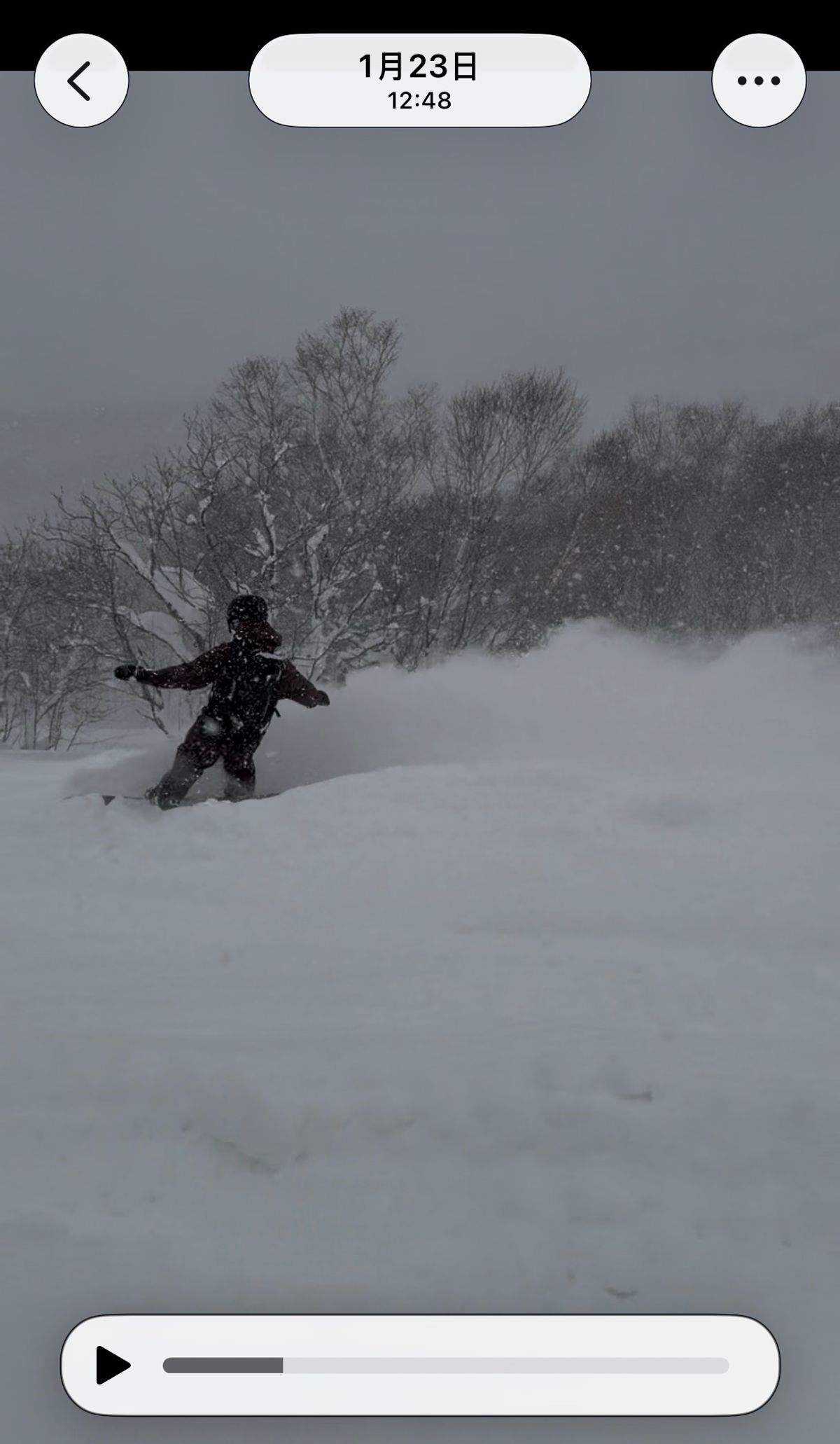
Why mid-January
- Fewer holiday crowds: Taiwan, Hong Kong, Singapore and Malaysia have no long break in this window
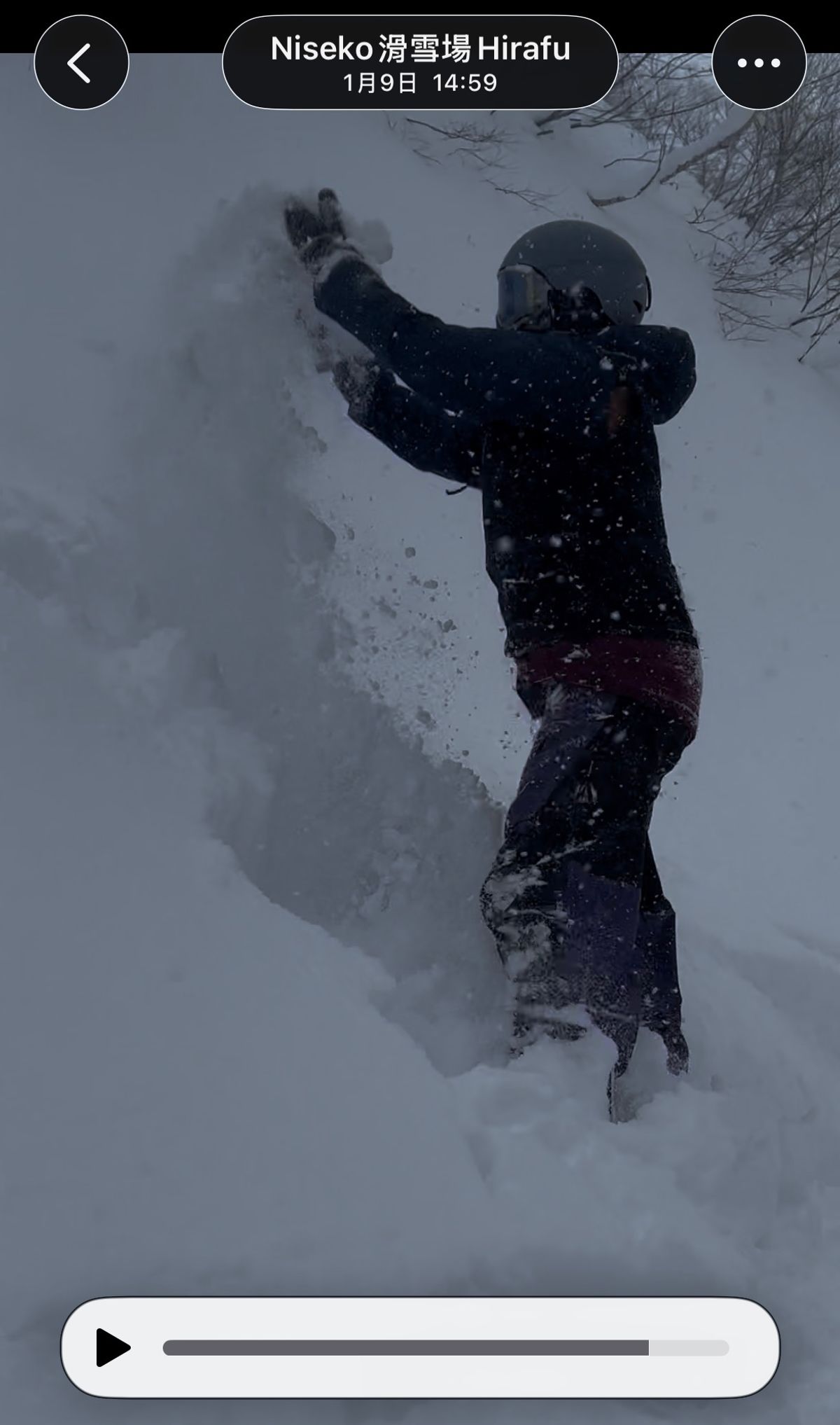
- The snow keeps topping up: the usual rhythm is a big dump, everyone charges off into the powder, and then it keeps snowing and refilling, so powder stays clean for a long time. The wind is relatively settled too, so lift closures are less common
- More laps: with everyone chasing powder, groomer queues are short and you can lap runs all day
- Lessons you can book: dates, times and the number of days are all easy to choose
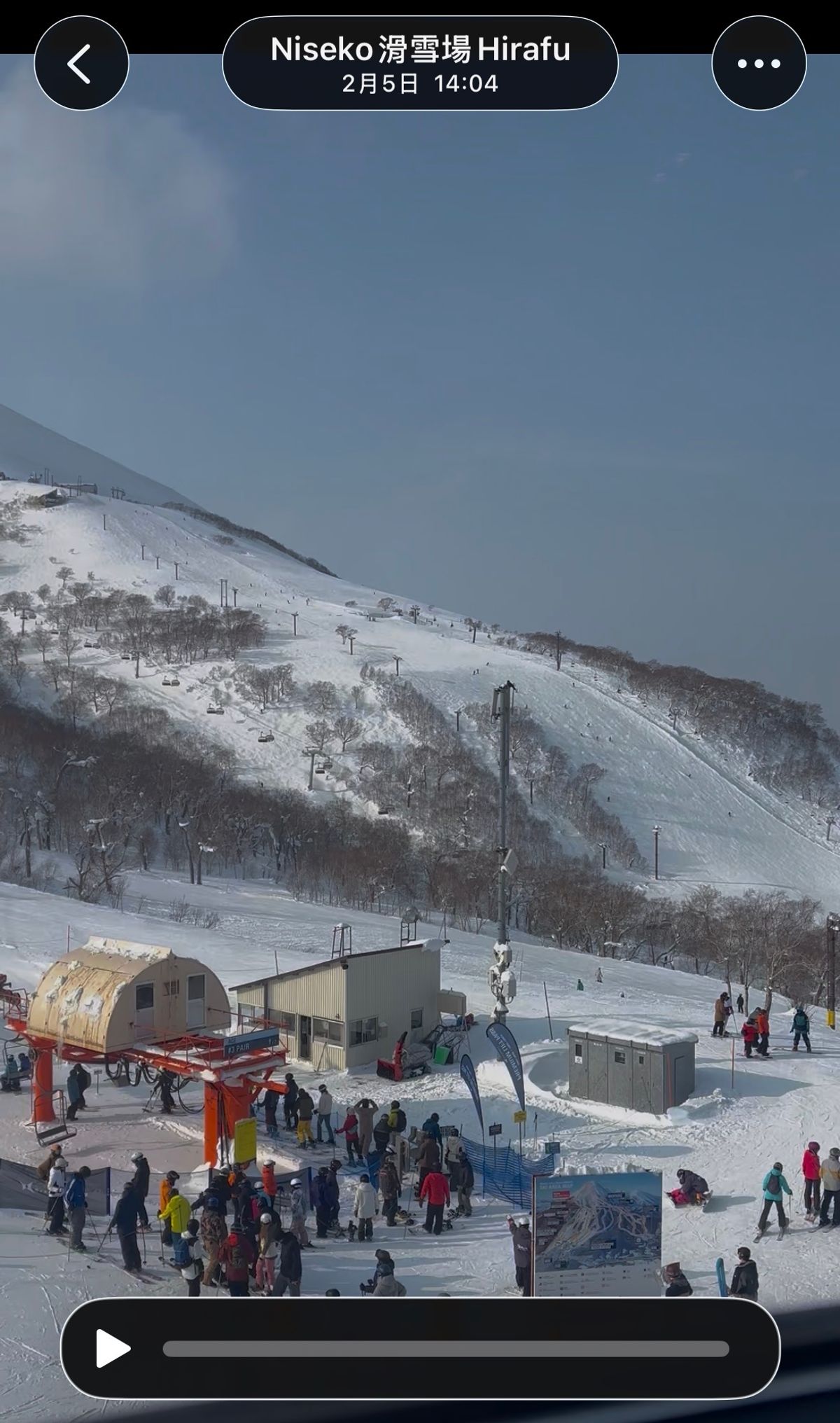
How to dodge the crowds at each resort
| Resort | What to avoid most | Easier dates |
|---|---|---|
| Niseko | What to avoid mostChristmas and New Year | Easier datesMid-January, mid-February |
| Rusutsu | What to avoid mostChristmas and New Year, weekends | Easier datesWeekdays after Christmas |
| Teine | What to avoid mostWeekends and Japanese public holidays | Easier datesMonday to Friday |
Teine is close to Sapporo, so on weekends and Japanese holidays it fills with Sapporo locals and families. Parking, rentals and lifts all involve waiting, so book lessons on weekdays where you can.
Coming up: spring riding from mid-March
From mid-March onwards is also well worth a trip, especially if one season was not enough and you want another go. We will cover spring riding properly in the next piece.
3. What to book, and when
In past seasons, peak-season coaches were fully booked before November. Plenty of guests leave it late, and in past years lessons sold out around 10 days before the start date. What people most regret leaving late is the lesson and the accommodation.
6 to 9 months out: lock in dates, flights and accommodation. Where you stay decides how every day begins, and the well-placed places go first
3 to 6 months: confirm lessons and the teaching language, airport transport, and equipment rental. There are only so many coaches who speak your language, and it gets harder the closer you get
1 to 3 months: restaurants, travel insurance, luggage and clothing, non-skiing activities
Just before you go: recheck the weather and operations, the meeting point, flights and buses, and how everyone is feeling
The scarcest thing in peak season is usually not the lift pass. It is well-placed accommodation and a coach who speaks your language. Do not put anything unmovable on your arrival day, such as a lesson or a restaurant booking: winter flights and roads both run late.
4. What to wear and pack
Dressing for January
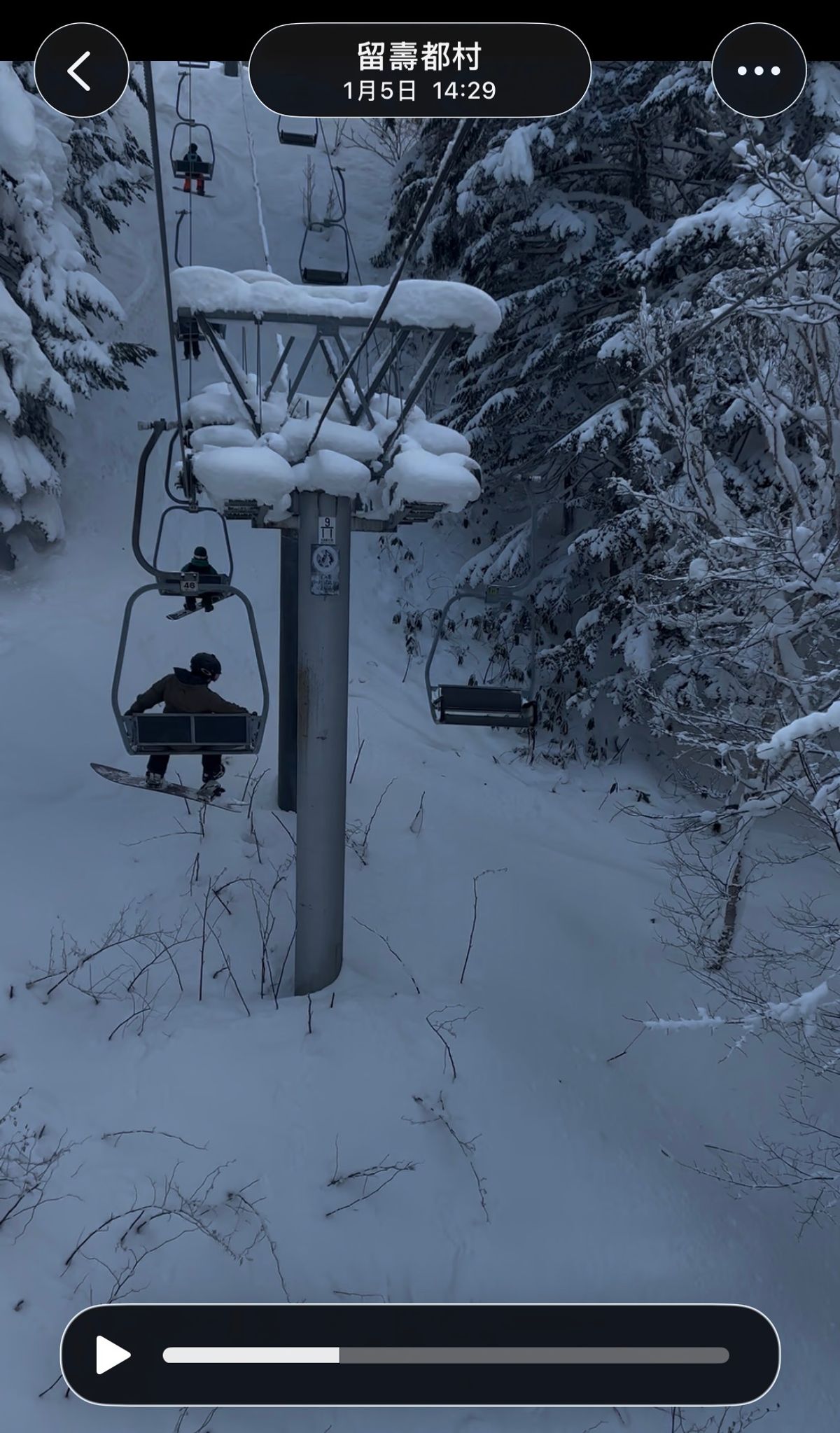
While you are moving, 0°C is not as cold as it sounds. What actually gets you cold is riding the lift, queueing, listening to your coach, and stopping after you have worked up a sweat.
- Base layer: a mid-weight wicking layer. Its job is moving moisture, not maximum warmth
- Mid layer: add as the wind and snow demand, and put it on before you head to the top
- Socks: thin to partly cushioned, one pair only, never two pairs stacked
- Gloves: a warmer rating, properly waterproof, and bring a dry spare pair
- January nights are properly cold. Add a layer for night skiing and change into dry, warm clothes as soon as you finish
Common mistakes: socks that are too thick (tight boots end up colder), cotton base layers (cold and clammy once you sweat), wool hats and wool gloves (they let wind through and snow sticks to them), and a hiking shell instead of a snow jacket (different design brief).
Packing list
| Category | What |
|---|---|
| Bring from home | WhatBase layers, ski socks (pack spares), ski gloves, goggles, neck gaiter, snowboard protection (hip, knee, wrist), prescription lenses, personal medication |
| Buy in Japan | WhatHeat packs, sunscreen, lip balm, a light down layer, spare gloves and socks |
| Rent the first time | WhatBoard or skis, poles, boots, helmet |
| Do not assume you can rent | WhatProtective gear, anything worn next to the skin |
Boots that do not fit cost you control and energy directly, and they are the first thing worth upgrading. Do not leave buying until you are at the resort, where sizes and choice are usually limited.
5. Building the itinerary
Four nights in Niseko
| Day | Plan |
|---|---|
| Day 1 | PlanArrive and sort your gear out, then a Japanese grill for dinner |
| Day 2 | PlanLesson, then an onsen, then dinner somewhere you booked in advance |
| Day 3 | PlanAnother lesson |
| Day 4 | PlanA half day in the morning, then ride on your own. With a full-day pass you can keep going until night skiing ends at 7pm |
Getting there: the White Liner runs from New Chitose Airport direct to Hirafu in about 2 hours 30 minutes; a private transfer takes roughly 2 to 2.5 hours.
Stay in Sapporo, ride Teine
| Time | Plan |
|---|---|
| 08:00 | PlanLeave Sapporo |
| 09:30 | PlanLesson at Olympia or Highland |
| 16:00 | PlanBack to the hotel in Sapporo to shower and change |
| 18:30 | PlanSeafood or a Genghis Khan dinner |
Three ways to get there:
- BigRuns lift pass and bus package: booking required, picking up at hotels around Sapporo Station, Odori and Susukino between roughly 7:55 and 8:35. Stops and times follow the official timetable
- JR plus bus: Sapporo Station to JR Teine Station takes about 11 minutes at its fastest, then a bus from stop 3 at the south exit, about 16 minutes to Olympia and 28 to Highland
- Driving: about 40 minutes from central Sapporo. Olympia and Highland both have free parking. Leave early on snowy days and holidays
Strong wind can affect the upper lifts at Highland, so keep a fallback in the plan.
6. Things you only learn on arrival
| Niseko | Rusutsu | Teine | |
|---|---|---|---|
| Arrival and lunch | NisekoArrive before opening, eat early | RusutsuHead straight up at opening, lunch after 1pm | TeineGet up the mountain early, avoid midday |
| Restaurants | NisekoBook the popular ones, or stay somewhere with a kitchen | RusutsuBook your accommodation's restaurant ahead | TeineEat back in central Sapporo |
| When peak season is unavoidable | NisekoLock in accommodation, transport and restaurants first | RusutsuStart later, rest later | TeineBook transport early, rent gear at the base |
Local notes for Niseko:
- Upper Hirafu is closer to the slopes but noticeably hilly; Lower Hirafu has the restaurants, so check the shuttle for getting to the lifts
- Always book the popular restaurants, such as KITCHEN, The Barn and An Dining
- If you plan to buy boots or goggles, leave time before you ride to try them on and adjust
- Students staying at Niseko Village cannot start a lesson from Village under the resort's rules, so allow travel time
- FUYU students cannot use the beginner-only facilities at Hanazono
7. Choosing your lessons
| Where you are | What we suggest |
|---|---|
| Never ridden, or just started | What we suggestPrivate lessons on consecutive days |
| Comfortable on groomers, want to improve | What we suggestPrivate lessons, using the short queues to lap more |
| Can ride, but powder defeats you | What we suggestA powder lesson |
| Reliable S turns on red and green, curious about backcountry | What we suggestBackcountry guiding, Niseko only |
| Bringing children | What we suggestPrivate lessons. Under 7 means one to one |
If backcountry is what you are after, the level and safety rules are in the backcountry guide.
How many days:
- 1 day: a safe first taste, with the goal of wanting to come back
- 2 days: the second day builds on the first, and turns start to appear
- 3 days or more: turns start linking up, practised on different pitches
The usual problem on a beginner's first day is not that the lesson was too short. It is that too much energy went in the first half.
8. Do you need a coach?
FUYU runs Chinese-language private lessons at Niseko, Rusutsu, Kiroro and Teine.
- 34 bilingual coaches; 30 of 34 hold Level 2 or higher international certification
- 8 in-house trainers, with 4 days of in-house training a week
- Every coach has completed avalanche safety training
- Video and coach notes after each lesson, so you know what to work on next
Three steps:
Message us with your dates, how many people, and everyone's level. A clip of your riding helps
We check availability and suggest the lessons and resort that fit
Once you confirm, a 20% deposit completes the booking
Frequently asked
Next step